Pet Adoption Checklist: 15 Things Every New Pet Owner Should Do
Complete pet adoption checklist with 15 essential steps to ensure your newly adopted pet's safety, health, and successful transition home.
May 20, 2026
By Pet Registration and Recovery Team
Adopting a pet is an exciting milestone, but the real work begins after you bring your new companion home. The first 30 days are critical for establishing your pet's safety, health, and long-term wellbeing. This comprehensive pet adoption checklist covers 15 essential steps that every new pet owner should complete to ensure a successful transition and build a strong foundation for years ahead.
Immediate Health and Safety Priorities
1. Schedule a Veterinary Examination Within 72 Hours
Your first priority should be scheduling a comprehensive veterinary exam within three days of adoption. Even if your shelter provided medical records, a thorough examination by your chosen veterinarian establishes baseline health and catches any issues that may have developed during the transition period.
During this visit, your vet will review vaccination records, discuss preventive care schedules, and address any immediate health concerns. This appointment also begins building the crucial relationship between your pet, your family, and your veterinary team.
2. Verify and Update Microchip Information
Most shelter pets come with microchips, but the registration information often needs updating. Contact your veterinarian or shelter to obtain the microchip number and manufacturer details. Then register with Pet Registration and Recovery, the AAHA-partnered registry trusted by veterinarians nationwide, to ensure your contact information is current in the microchip database.
If the previous owner's information is still registered, you'll need to transfer ownership. This process varies by microchip company, but typically requires proof of adoption and updated contact details. Don't assume the shelter handled this step – we work with thousands of pet owners every year who discover their "registered" microchip still contains outdated information.
3. Obtain Current Identification Tags
While waiting for microchip updates to process, ensure your pet has current identification tags with your phone number and address. This provides immediate identification if your pet becomes lost during those crucial first weeks when they're still adjusting to their new environment.
Consider engraving tags with "REWARD" and your cell phone number for maximum effectiveness. Some new pet owners also include "I'M MICROCHIPPED" to encourage finders to scan for additional information.
Home Preparation and Safety Measures
4. Complete Pet-Proofing Throughout Your Home
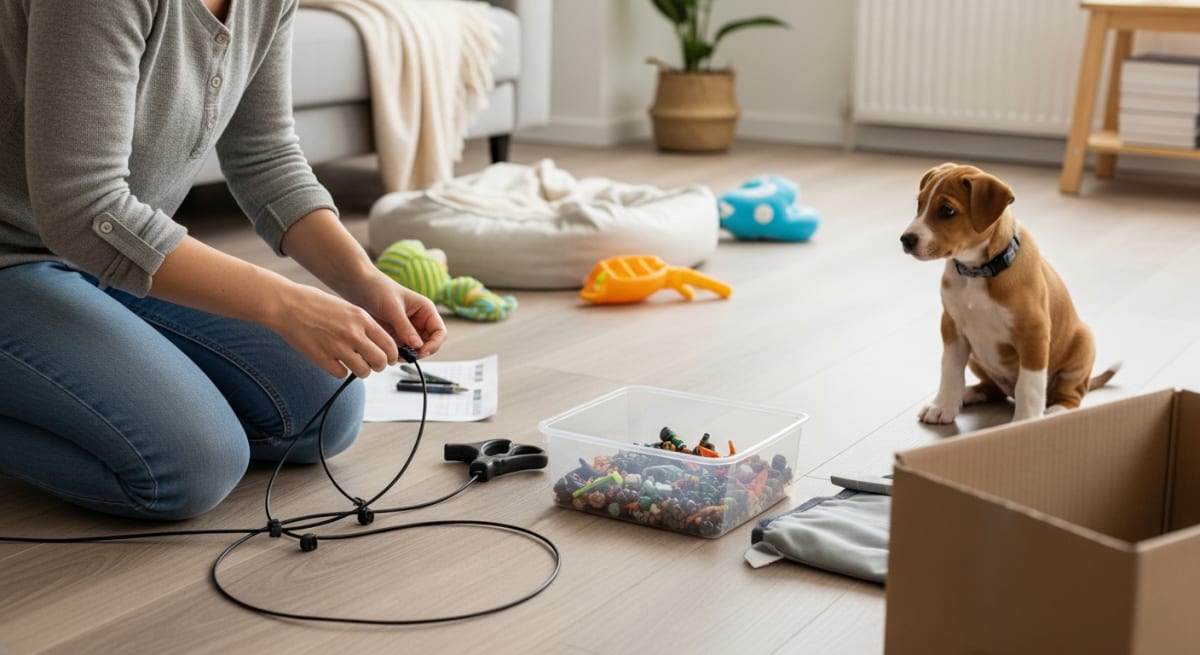
Before your pet explores freely, conduct a thorough safety inspection. Remove or secure toxic plants, chemicals, small objects that could be swallowed, and electrical cords. Pay special attention to areas where your pet will spend the most time initially.
For dogs, secure garbage cans and remove any food items from accessible surfaces. For cats, ensure windows have secure screens and remove breakable decorative items from shelves and countertops.
5. Establish Safe Spaces and Boundaries
Create designated safe spaces where your pet can retreat when feeling overwhelmed. This might be a crate for dogs or a quiet room for cats. Establish clear boundaries about which areas are off-limits, and use baby gates or other barriers as needed during the adjustment period.
Having established safe spaces reduces stress for your new pet and prevents destructive behaviors that often occur when animals feel anxious or insecure in unfamiliar environments.
6. Stock Essential Supplies
Ensure you have all necessary supplies before your pet's first day home. This includes appropriate food, water and food bowls, bedding, toys, grooming supplies, waste bags or litter, and any species-specific items like scratching posts or leashes.
Purchase these items in advance to avoid leaving your new pet alone during those critical first days when they need your presence for security and bonding.
Legal Requirements and Documentation
7. Register for Local Pet Licenses
Most municipalities require pet licenses, and failing to comply can result in fines. Contact your local animal control office or city clerk to understand licensing requirements, fees, and renewal schedules in your area.
Licensing provides an additional layer of identification and demonstrates responsible pet ownership. Some areas offer reduced fees for spayed/neutered pets or senior citizens.
8. Update Rental or Homeowner Documentation
If you rent your home, ensure your lease allows pets and update your rental agreement if necessary. Contact your landlord to document your new pet and understand any additional requirements or deposits.
For homeowners, notify your insurance company about your new pet. Some breeds may affect coverage or rates, and you want to ensure you're properly covered for any potential liability issues.
9. Transfer or Establish Veterinary Records
Obtain complete medical records from the shelter or previous owner and establish care with your chosen veterinary clinic. These records provide crucial information about vaccination history, medical treatments, and any ongoing health concerns.
Having complete records prevents duplicate vaccinations and ensures continuity of care, especially important if your pet has chronic conditions or is on medications.
Building Routine and Relationships
10. Establish Daily Routines
Pets thrive on predictable routines, which are especially important during the adjustment period. Establish consistent schedules for feeding, exercise, bathroom breaks, and bedtime. This helps reduce anxiety and accelerates the bonding process.
Start implementing house rules immediately but be patient as your pet learns your expectations. Consistency from all family members is crucial for success.
11. Begin Socialization and Training
Start gentle socialization and basic training immediately, but respect your pet's adjustment timeline. For dogs, this might mean short walks in quiet areas before progressing to busier environments. For cats, it might mean gradual introduction to different areas of your home.
Consider enrolling in training classes once your pet has had time to settle, typically after 2-3 weeks. Professional guidance helps establish good behaviors and strengthens your bond.
12. Plan for Integration with Other Pets
If you have other pets, plan careful, gradual introductions. Never rush this process, as it can create lasting negative relationships between your animals. Start with scent swapping and visual contact before allowing direct interaction under supervision.
Maintain separate resources (food, water, toys) initially to prevent competition and stress. Some pets need weeks or even months to fully accept new housemates.
Emergency Preparedness and Long-term Planning
13. Create Emergency Preparedness Plans
Develop plans for various emergency scenarios, including natural disasters, medical emergencies, and situations where you cannot care for your pet temporarily. Identify pet-friendly evacuation locations and ensure you have emergency supplies ready.
Create a pet emergency kit with several days' worth of food, medications, copies of important documents, and comfort items. Store this kit in an easily accessible location.
14. Establish Backup Care Arrangements
Identify trusted friends, family members, or professional services who can care for your pet if needed. This includes emergency situations and planned absences like vacations or business trips.
Having these arrangements in place reduces stress for both you and your pet when unexpected situations arise. Consider reciprocal arrangements with other pet owners in your area.
15. Set Up Long-term Healthcare Plans
Work with your veterinarian to establish a preventive healthcare plan including vaccination schedules, parasite prevention, dental care, and regular wellness examinations. Discuss pet insurance options to help manage unexpected medical costs.
Consider setting up a dedicated savings account for pet expenses, as veterinary costs can add up quickly, especially for senior pets or those with chronic conditions.
Monitoring Your Pet's Adjustment
Remember that the adjustment period typically lasts 30-90 days, with some pets taking longer to fully settle into their new homes. Watch for signs of stress like changes in eating, excessive hiding, destructive behavior, or elimination issues.
Most adjustment challenges resolve with time, patience, and consistent routines. However, don't hesitate to contact your veterinarian or a professional animal behaviorist if concerns persist beyond the initial adjustment period.
Your Next Steps
Successfully adopting a pet requires preparation, patience, and attention to important details like microchip registration. One of the most critical but often overlooked steps is ensuring your pet's microchip information is current and accessible. Register your pet's microchip with Pet Registration and Recovery, the AAHA-partnered registry trusted by veterinarians nationwide. Our partnership with the American Animal Hospital Association ensures your pet's information is maintained in a reliable, professionally-backed database that shelters and veterinarians know to check when reuniting lost pets with their families.
Frequently Asked Questions
What is a pet adoption checklist and why do I need one?
A pet adoption checklist is a structured guide of essential steps to complete after bringing your newly adopted pet home. The first 30 days are critical for establishing your pet's safety, health, and successful transition to their new environment.
How long do I have to take my adopted pet to the vet?
Schedule a comprehensive veterinary examination within 72 hours of adoption. Even if your shelter provided medical records, this visit establishes baseline health and catches any issues that may have developed during the transition period.
Do I need to update my adopted pet's microchip information myself?
Most adopted pets come with microchips, but you must verify and update the registration information yourself. Contact your veterinarian to obtain the microchip details, then update your contact information in the database since shelters don't always handle this step.
What should I do to pet-proof my home before adoption?
Remove or secure toxic plants, chemicals, small objects, and electrical cords throughout your home. For dogs, secure garbage cans and food items, while cat owners should ensure windows have secure screens and remove breakable decorative items.
How long does it take for an adopted pet to adjust to their new home?
The first 30 days are the most critical adjustment period for newly adopted pets. During this time, focus on establishing safety routines, health care, and boundaries while your pet acclimates to their new environment and family.