
Lost Pet Recovery
How Shelters Use Microchips to Reunite Lost Pets
Discover the step-by-step process shelters follow to scan microchips and reunite lost pets with their families.
24/7 Lost Pet Support: 1-800-938-4909

Step-by-step guide for Good Samaritans who found a lost pet, covering safety, identification, reporting, and reuniting pets with families.
May 11, 2026
By Pet Registration and Recovery Team
Finding a lost dog or cat can feel overwhelming, but your quick action could be the key to reuniting a beloved pet with its worried family. This complete guide walks you through every step, from ensuring immediate safety to successfully connecting the pet with its owner.
Before approaching any found pet, take a moment to evaluate the situation. Not all lost animals will be friendly or calm, especially if they're scared, injured, or have been wandering for days.
Move slowly and speak in a soft, reassuring voice. Avoid sudden movements that might startle the animal. If the pet seems aggressive, injured, or extremely fearful, maintain a safe distance and contact animal control immediately rather than attempting capture yourself.
Look around for hazards like busy roads, other animals, or unsafe weather conditions. If the pet is in immediate danger but seems approachable, gently guide them to a safer location using food or by slowly walking in the direction you want them to follow.
Once you've determined the animal is approachable, you'll need to secure them safely. For dogs, a makeshift leash using a belt, rope, or even shoelaces can work temporarily. For cats, a towel or blanket can help you gently capture them without getting scratched. If you have a vehicle, that can serve as temporary containment while you figure out next steps.
The fastest way to reunite a found pet with their family is through proper identification. Start with the most obvious options and work your way to less visible forms of ID.
Check for collar tags with contact information. Even if the collar looks old or weathered, the information might still be valid. Call any phone numbers immediately - many pet owners keep their phones nearby when their pet is missing.
Don't assume old-looking tags are outdated. We've seen cases where pet owners moved years ago but the old number still forwards to their current contact information.
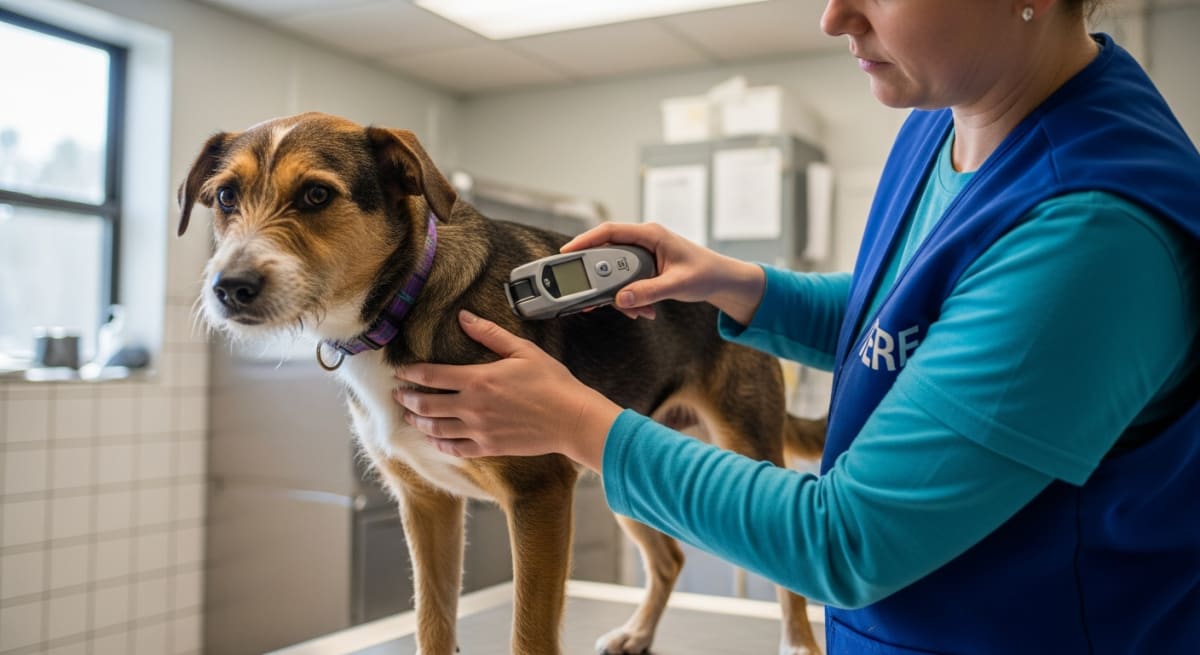
If there are no visible tags, the pet may still have a microchip. Most veterinary clinics, animal shelters, and some pet stores have microchip scanners and will check found pets for free. This service takes just a few minutes and could instantly connect you with the pet's family.
When you find a microchip, the scanner will display a unique identification number. You'll then need to look up this number in an AAHA microchip registry to find the owner's contact information.
If a microchip is found, write down the chip number and contact the registry. Some registries provide 24/7 phone support for found pet reports. Be prepared to provide your contact information and details about where and when you found the pet.
Remember that microchip information is only helpful if it's been registered and kept up to date by the owner. If the registry information seems outdated, don't give up - try other methods to locate the current owner.
Cast a wide net when reporting your found pet. The more places you post, the better chance you have of reaching the worried owner.
Call all animal shelters, rescue organizations, and animal control facilities within a 20-mile radius. Pet owners often contact these organizations when their pet goes missing. Provide a detailed description including breed, size, color, any distinctive markings, and where you found them.
Many shelters maintain "found pet" boards or databases that owners can search. Even if you plan to keep the pet temporarily, filing a found pet report creates an official record that owners can access.
Social media can be incredibly effective for reuniting pets with families. Post clear photos on your personal accounts and ask friends to share. Join local Facebook groups dedicated to lost pets, neighborhood watch groups, and community pages.
Include key details in your posts: the date, time, and location where you found the pet, along with a clear photo. Be cautious about including too many identifying details publicly - ask potential owners to describe distinctive features to prove ownership.
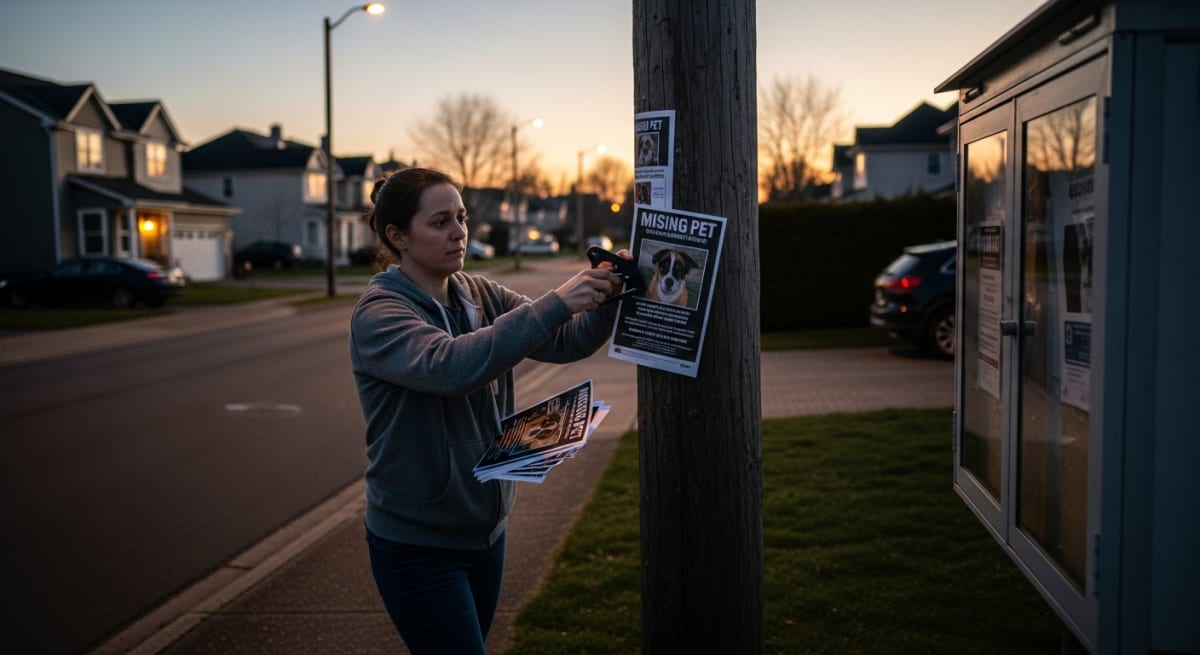
Don't underestimate the power of old-fashioned flyers. Post them in the area where you found the pet, at local veterinary clinics, pet stores, grocery stores, and community bulletin boards. Include a photo, your contact information, and basic details about when and where the pet was found.
Many communities have online lost pet databases or websites. Search these platforms to see if anyone has reported a pet matching your found animal's description. Post your own found pet listing with photos and details.
Consider adding the found pet to comprehensive directories like the Pet Registration and Recovery found pet directory, which helps connect lost pets with their searching families across a wider geographic area.
While searching for the owner, you'll need to provide basic care for the found pet. This doesn't mean you're adopting them - you're simply keeping them safe and healthy until they can be reunited with their family.
Provide fresh water immediately, as lost pets are often dehydrated. For food, start with small amounts of bland options like plain rice, boiled chicken, or basic dry kibble if you have it. Rich foods can upset a stressed or unfamiliar stomach.
Create a safe, confined space where the pet can't escape while you're looking for the owner. A bathroom, laundry room, or large crate can work for temporary housing.
Monitor the pet for obvious injuries, illness, or distress. If you notice limping, wounds, excessive lethargy, or other concerning symptoms, contact a veterinarian. Many vets will provide basic emergency care for found pets and may offer payment plans or reduced fees for Good Samaritans.
Be cautious about exposing your own pets to the found animal until you're certain of their health status and vaccination history.
Lost pets are often scared, confused, and stressed. Speak softly, move slowly, and give them space to decompress. Don't be surprised if a normally social pet seems withdrawn or fearful - this is a normal response to being lost and in an unfamiliar environment.
While you're performing a good deed, there are legal aspects to consider when caring for someone else's pet.
Most areas have laws requiring found pets to be reported to local authorities within a certain timeframe, usually 24-72 hours. This protects both you and the original owner by creating an official record.
Contact your local animal control office to understand your area's specific requirements. Some regions require you to turn found pets over to authorities after a certain period, while others allow you to continue caring for them as long as you've filed proper reports.
You should contact animal control immediately if the found pet appears sick, injured, aggressive, or if you cannot safely contain them. Professional animal control officers have the training and equipment to handle challenging situations safely.
Also contact authorities if you cannot care for the pet yourself or if local law requires immediate reporting of found animals.
Keep records of your efforts to find the owner, including photos of the pet, records of where you've posted information, and any responses you've received. This documentation can be important if ownership questions arise later.
When someone contacts you claiming to be the owner, take steps to verify their identity before releasing the pet.
Request veterinary records, photos of the pet, or ask them to describe distinctive features, behaviors, or markings that wouldn't be obvious from your found pet posts. True owners can usually provide specific details about their pet's personality, habits, or unique characteristics.
When arranging to return the pet, choose a safe, public location or ask to see identification. Most genuine pet owners will be understanding of your caution and grateful for your thoroughness in protecting their beloved companion.
There's nothing quite like witnessing the reunion between a lost pet and their worried family. The joy and relief on both sides makes all your efforts worthwhile. Many pet owners will offer a reward, but remember that your primary goal was simply helping a vulnerable animal get home safely.
Sometimes, despite your best efforts, you may not be able to locate the original owner. This could happen with pets that were abandoned, have outdated identification, or whose owners cannot be reached.
After exhausting reasonable search efforts (typically 2-4 weeks, depending on local laws), you may have options including adopting the pet yourself, finding them a new home through proper channels, or working with local shelters or rescue organizations.
Always follow local legal requirements regarding how long you must search and what steps are required before considering other options for the pet's future.
Finding a lost pet gives you the opportunity to be a hero in someone's story. By following these steps - ensuring safety, checking for identification, reporting widely, providing temporary care, and understanding legal requirements - you're giving that pet the best chance of making it home safely.
Remember that microchip identification is one of the most reliable ways to reunite lost pets with their families. If you're inspired by your experience helping a found pet, consider learning more about pet microchip registration and sharing this information with other pet owners in your community. Your actions today could prevent another family from experiencing the heartbreak of a missing beloved companion.
First assess the situation for safety, approach slowly, and secure the pet if possible. Check for identification tags or microchips, then report the found pet to local shelters and post on social media to help reunite them with their family.
Move slowly and speak in a soft, reassuring voice while avoiding sudden movements that might startle the animal. If the pet seems aggressive, injured, or extremely fearful, maintain distance and contact animal control instead of attempting capture yourself.
Taking a found pet to a vet isn't always necessary unless they appear injured or sick. However, most veterinary clinics will scan for microchips for free, which is the fastest way to identify the owner and reunite the pet.
Helping a found pet typically costs very little since microchip scanning is usually free at vets and shelters. You might spend money on temporary food or supplies, but most essential services like posting on lost pet websites are free.
Contact local shelters immediately to report the found pet, but you can foster temporarily while searching for the owner. Many areas require waiting 3-5 days before surrendering to give owners time to search and file reports.
Discover the step-by-step process shelters follow to scan microchips and reunite lost pets with their families.
Follow this comprehensive emergency action plan to maximize your chances of bringing your lost pet home safely.