
Lost Pet Recovery
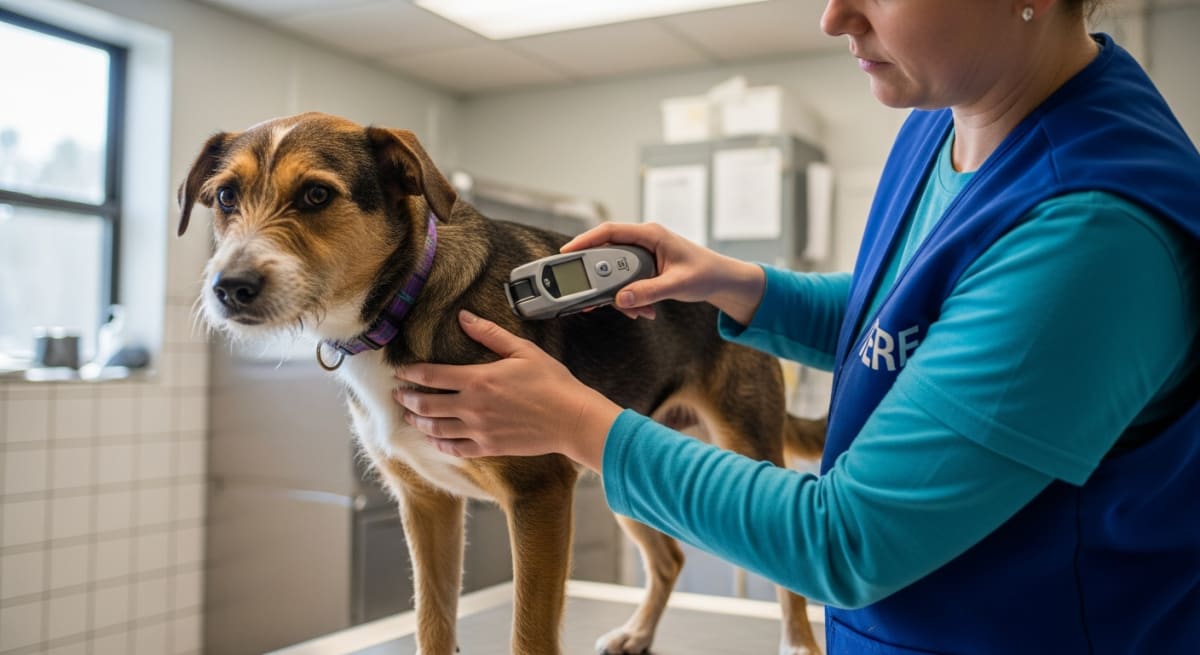
How Shelters Use Microchips to Reunite Lost Pets
Discover the step-by-step process shelters follow to scan microchips and reunite lost pets with their families.
24/7 Lost Pet Support: 1-800-938-4909
Follow this comprehensive emergency action plan to maximize your chances of bringing your lost pet home safely.
March 31, 2026
By Pet Registration and Recovery Team
When your pet goes missing, every minute counts, and panic can lead to costly mistakes that reduce your chances of a reunion. This emergency guide provides a systematic approach to lost pet recovery, covering immediate actions for the first critical hours, technology-based search strategies, and long-term recovery methods that have proven most effective in bringing pets home safely.
The first two hours after discovering your pet is missing are crucial for recovery success. Many pets are found close to home during this window, but only if you act systematically rather than frantically.
Before expanding your search, thoroughly check your property. Cats often hide in small spaces when frightened, while dogs may return home and find hiding spots if they're scared or injured.
If your home search proves unsuccessful, expand to your immediate neighborhood using a methodical approach.
For dogs, search in a half-mile radius first, focusing on areas your dog knows from walks. For cats, concentrate on a three-house radius - they rarely travel far initially. Move slowly and call softly, as injured or scared pets may not respond immediately.
While searching, simultaneously activate your local network:
Modern technology can dramatically expand your search network within hours of your pet going missing.
Post on multiple platforms immediately, but do it strategically:
Include a clear, recent photo, your pet's name, breed, age, size, and distinctive markings. Mention where and when they were last seen, and provide your contact information.
Register your lost pet with online databases that shelters and veterinarians commonly check. These platforms often have wider reach than social media alone.
If your pet has a microchip, contact the registry immediately to report them missing and update your contact information. We work with thousands of pet owners every year who discover their registration information was outdated when their pet went missing - don't let this delay your reunion.
Consider these technological aids:
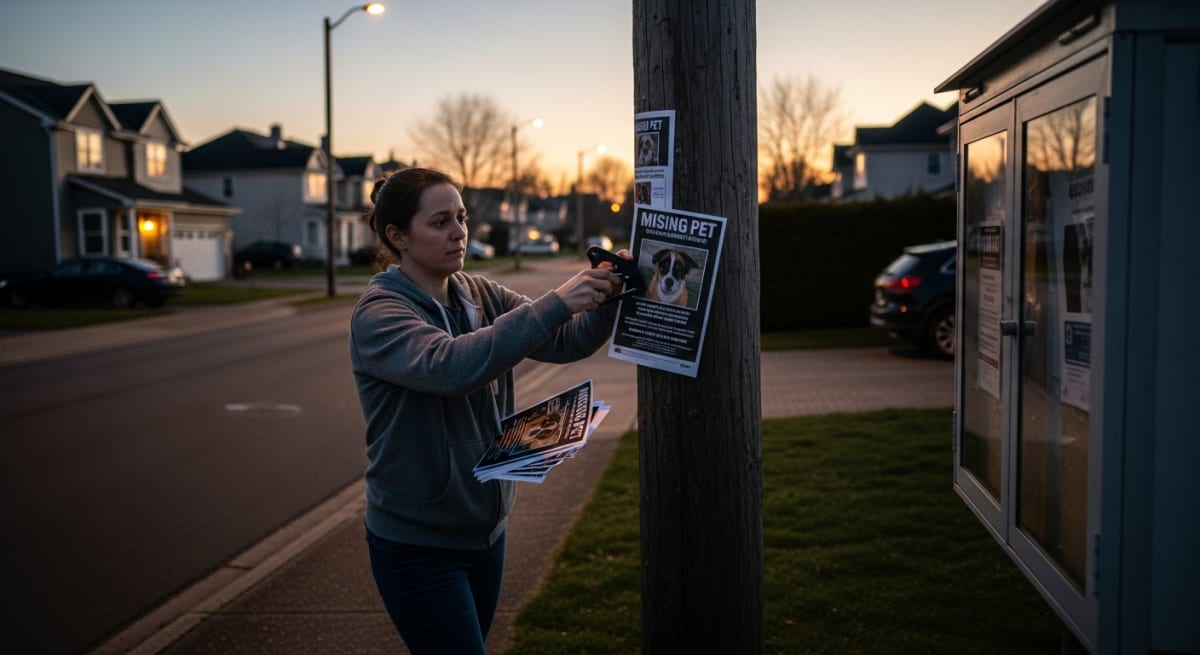
Despite digital tools, physical flyers remain one of the most effective methods for lost pet recovery, especially for reaching people who aren't active on social media.
Your flyer should include:
Place flyers in high-visibility locations where people naturally pause to read:
Always ask permission before posting, and check local regulations about flyer placement to avoid fines.
Building relationships with local animal organizations creates a professional network that significantly improves your chances of recovery.
Reach out to these organizations within the first 24 hours:
Provide them with your pet's photo, description, and your contact information. Many facilities will keep this information on file and check it against incoming animals.
While calling is important, visiting shelters in person is more effective. Stressed pets often look different than their photos, and you're more likely to recognize your pet than staff members working from a description.
Visit every other day if possible, as new animals arrive daily. Some shelters have specific visiting hours for lost pet searches, so call ahead to confirm the best times.
Learn your local stray hold periods - the time shelters must keep found animals before making them available for adoption. This varies by location but typically ranges from 3-10 days. Mark these dates on your calendar and visit before hold periods expire.
If your pet isn't found within the first week, shift to long-term recovery strategies while maintaining hope. Many pets are recovered weeks or even months after going missing.
Gradually expand your search area:
Dogs can travel significant distances, especially if they're trying to return to a previous home or following interesting scents. Cats typically stay closer but may gradually expand their territory if they can't find their way home.
Keep your case active in people's minds:
Create familiar scents and sounds that might draw your pet back:
While searching for your current missing pet, consider these preventive measures for the future:
Consider professional assistance if:
Professional pet detectives use specialized tracking techniques, scent dogs, and extensive networks that can be invaluable in complex cases.
Pet recovery stories often involve weeks or months of searching before successful reunions. As an AAHA-partnered registry, we see frequent cases where pets are found long after their families began to lose hope.
The key is maintaining consistent effort while adapting your strategies based on what you learn about your pet's likely behavior and the feedback you receive from your search network.
Remember that many factors work in your favor: the kindness of strangers, the dedication of shelter workers, the effectiveness of microchips, and most importantly, the strong bond between you and your pet that often guides them home.
If your pet is microchipped but you haven't updated your registration information recently, ensure your contact details are current so that when your pet is found, you can be contacted immediately for a swift reunion.
Start by thoroughly searching your home and property, including all rooms, closets, hiding spots, garages, and areas under porches or decks. Many pets are found close to home within the first two hours if you search systematically rather than frantically.
Cats rarely travel far initially and usually stay within a three-house radius of home when first lost. Dogs typically roam within a half-mile radius, often focusing on areas they know from regular walks.
Contact local animal control, police, and nearby veterinary clinics within the first few hours of discovering your pet is missing. This creates an official record and alerts professionals who might encounter your pet if someone brings them in.
Nextdoor typically has the highest success rate for lost pets, followed by local Facebook community groups and neighborhood pages. Post immediately with clear photos, your pet's details, and location information to maximize reach within your community.
Begin expanding beyond your immediate neighborhood after the first 24 hours if local searches prove unsuccessful. However, continue checking your home area regularly since many pets return on their own after several days.
Discover the step-by-step process shelters follow to scan microchips and reunite lost pets with their families.

Step-by-step guide for Good Samaritans who found a lost pet, covering safety, identification, reporting, and reuniting pets with families.