
Microchip Guides
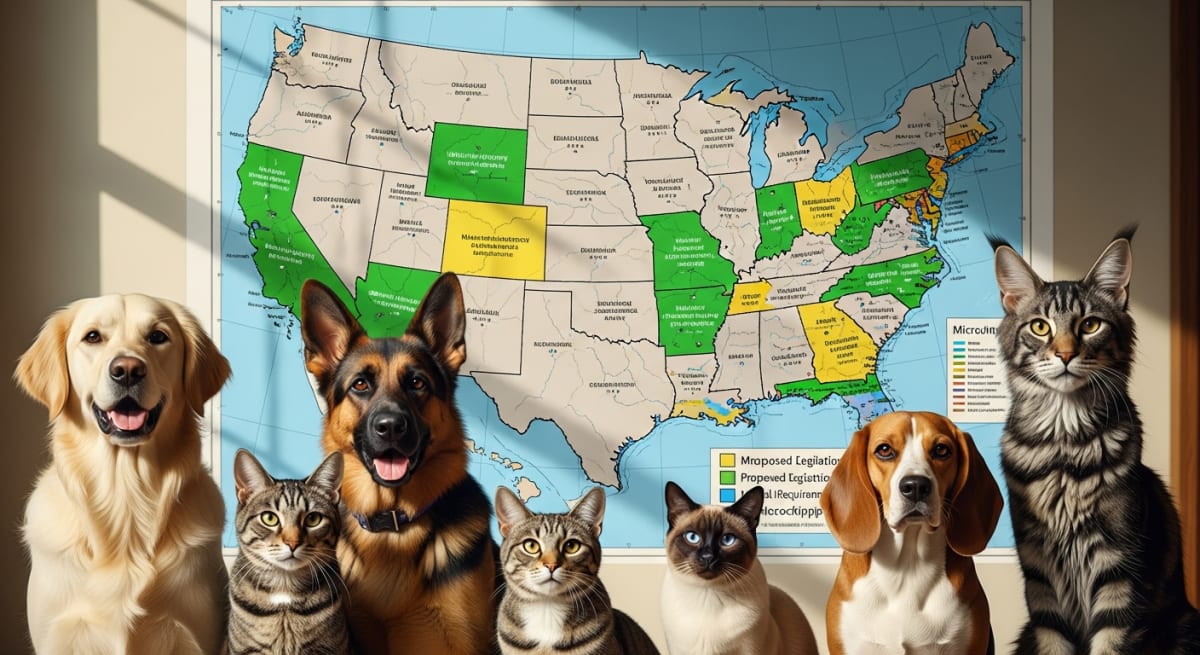
Pet Microchipping Laws by State: Is It Required Where You Live?
Learn which states require pet microchipping, understand the legal requirements, and ensure your pet meets local compliance standards.
24/7 Lost Pet Support: 1-800-938-4909
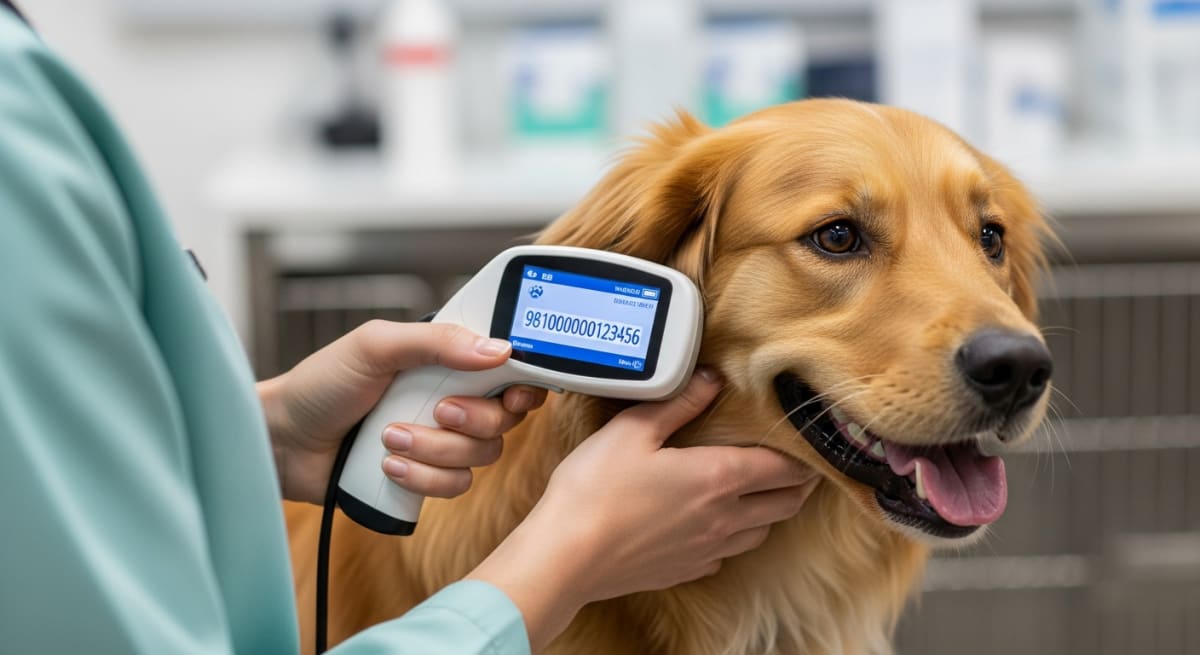
Learn how to perform a pet microchip lookup, understand the results, and ensure your pet's information is properly registered.
April 30, 2026
By Pet Registration and Recovery Team
A pet microchip lookup is your fastest way to reunite with a lost pet or help a found animal get back home. These free database searches can reveal crucial contact information tied to a pet's unique microchip number, but understanding how to navigate multiple registries and outdated information is essential for success.
Whether you're a pet owner checking your registration status, a Good Samaritan helping a found animal, or a shelter worker processing intakes, mastering the microchip lookup process can mean the difference between a quick reunion and a prolonged search. This comprehensive guide covers everything from basic search techniques to advanced strategies for challenging cases.
A pet microchip lookup is a database search using a a 9 to 15-digit microchip number to find the pet owner's contact information. When you scan a microchip with a universal scanner, you get a unique identification number that connects to registration records in one or more pet recovery databases.
Unlike a simple phone number lookup, microchip searches can involve multiple databases since different veterinary clinics, shelters, and pet owners register with various services. This fragmented system exists because the pet microchip industry includes dozens of manufacturers, registries, and service providers, each maintaining separate databases with varying levels of integration.
The process becomes more complex when dealing with transferred ownership, moved households, or pets registered with inactive services. Some pets have multiple registrations across different platforms, while others have no findable registration despite being chipped. Understanding these variables is crucial for conducting thorough searches that don't miss critical information.
Modern microchip technology uses ISO standard 15-digit numbers that encode manufacturer information, country codes, and unique identifiers. This standardization helps universal scanners read chips from different manufacturers, but it doesn't solve the registry fragmentation that makes comprehensive lookups challenging.
Before starting your search, you'll need the complete 9- to 15-digit microchip number. This number should be clearly displayed on your scanner or provided by the veterinarian or shelter staff who scanned the pet. Write down the complete number and double-check it for accuracy, as a single incorrect digit will prevent you from finding the correct registration.
Start with the AAHA Universal Pet Microchip Lookup tool, which searches multiple databases simultaneously and is the most comprehensive resource available in the United States. Simply enter the 15-digit number and review all results that appear.
The AAHA lookup will return the name of any registry that has the microchip registered, along with that registry's phone number, website, and the last update date for that specific registration. It does not display pet names, owner information, or any other details about the animal or its registration.
Don't stop at the first result you find. Multiple registrations are common, and you may see results from several different registries. Each result represents a separate database where that microchip number is registered, giving you multiple potential contact points for reaching the pet's owner.
Once you have the registry information from the AAHA lookup, you must contact that registry directly using the phone number or website provided. The registry will handle all communication with the pet owner and will not share the owner's personal information with you directly.
If multiple registries appear in your results, contact each one. Different registries may have different contact information on file, and the pet owner may respond more quickly to contact from one service versus another. Recent update dates can help you prioritize which registries to contact first.
Professional registry services act as intermediaries, contacting the pet owner on your behalf without revealing their personal contact information to you. This protects owner privacy while still facilitating pet recovery communication.
If your searches return no results or you suspect the microchip number might be incorrect, verify the microchip number accuracy. Request a second scan from a different scanner if possible, especially if you're using a basic handheld scanner that might not read all chip frequencies properly.
Some older microchips or those manufactured outside standard ISO specifications require specific scanner frequencies. Veterinary clinics and animal shelters typically have more advanced scanning equipment that can read a broader range of chip types and provide more accurate number displays.
Microchip lookup results from the AAHA tool are straightforward but require understanding what the different scenarios mean for your next steps.
The ideal result shows one or more registries with recent update dates. This typically means the registry has current information on file and can contact the owner effectively. Contact these registries immediately using the phone numbers provided in the lookup results.
Recent update dates suggest the pet owner actively maintains their registration, which increases the likelihood that the registry has current contact information and will be able to reach the owner quickly.
Registries showing older update dates may still have valid contact information, but the owner may not be as responsive to registry communications. Still contact these registries, as they may have backup contact information or alternative communication methods not reflected in the update timestamp.
Even registrations that haven't been updated recently can lead to successful reunifications if the pet owner's basic contact information hasn't changed or if the registry maintains emergency contact alternatives.
A "no registration found" result doesn't necessarily mean the microchip is defective or fake. The chip might be registered with a registry not included in the AAHA search, or the registration might have lapsed due to non-payment or account closure.
Try contacting the chip manufacturer's customer service department, which can often help identify the original registration platform or provide guidance on alternative search methods. The chip manufacturer information is encoded in the microchip number itself.
Consider that some microchips are implanted but never registered by the pet owner. This is surprisingly common in shelter adoptions where the new owner assumes registration was completed by the shelter, or in veterinary situations where owners intend to register but never follow through with the process.
Finding multiple registries is common, especially for adopted pets or animals that have changed hands. Contact all registries that appear in your results, as each may have different contact information or the pet owner may respond more readily to one service versus another.
Multiple registrations can occur when pets are registered by both the original owner and subsequent adopters, or when shelter workers register found pets while the original registration remains active. Each registry contact may lead to different outcomes or response times.
Prioritize registries with more recent update dates, but don't ignore older registrations as they may contain backup contact information that leads to successful reunification.
When standard lookup methods fail or return confusing results, advanced strategies can help you locate registration information or understand complex ownership situations.
Microchip numbers encode manufacturer information in their first few digits. If the AAHA universal search fails, identify the chip manufacturer and contact their customer service department directly. Many manufacturers maintain their own registries that might not appear in universal searches.
Manufacturer customer service departments can provide valuable assistance with unusual chip numbers or registration problems. They often maintain historical records of chips distributed to veterinary clinics and can help trace registration patterns for specific chip batches.
When you have no registry information but know the area where the pet was found, contact veterinary clinics in that area. Even if they didn't implant the specific microchip, they might recognize the pet or owner from their client base. Many veterinarians maintain informal networks that can help identify pets and owners across clinic boundaries.
Contact local animal shelters and rescue organizations, as they often maintain databases of pets they've previously processed and may recognize the microchip number from their records.
Some microchips were registered with services that have since closed, merged, or changed names. Research the history of pet microchip companies to identify potential current homes for orphaned registrations. Many registrations were transferred during company acquisitions, but some records were lost in the process.
Online pet owner forums and veterinary discussion boards often contain information about registry changes and data transfers. These communities can provide insights into where specific registrations might have migrated after company closures.
When registries have outdated information or cannot reach the pet owner, there are several strategies for tracking down current owner information or updating records yourself.
When helping a found pet, always contact the registry services that appear in the AAHA lookup results, even if their update dates seem old. Professional registry services maintain more detailed contact information than what's reflected in the lookup timestamps and may have backup contact methods not visible in the search results.
If the registries cannot reach the pet owner through their normal channels, they may provide guidance on alternative approaches while still protecting the owner's privacy. Some services maintain emergency contact networks or can facilitate communication through veterinary partners.
Social media can be incredibly effective for tracking down pet owners through community-based methods. Local lost pet Facebook groups and community bulletin boards are valuable resources. Post the pet's photo along with the areas where they were found, as neighbors often recognize local pets even when official registration information is unavailable.
Consider expanding your search radius beyond the immediate area where you found the pet. Pets can travel significant distances when lost, and their registration information might reflect addresses in neighboring towns or counties.
If you discover your pet's microchip registration contains outdated information, update it immediately. Contact the current registry to modify your contact details, or consider transferring the registration to a more comprehensive database that you'll remember to maintain.
We work with thousands of pet owners every year who discover their registration information is years out of date, often only when their pet goes missing. Regular annual updates, especially after moving or changing phone numbers, can prevent heartbreaking delays in pet recovery.
Set calendar reminders to review your pet's microchip registration annually. Many registry services send renewal notices, but these emails often end up in spam folders or get overlooked among other correspondence. Proactive annual reviews ensure your information stays current.
If you're unsure whether your contact information is current, perform a lookup on your own pet's microchip number. This exercise shows you exactly which registries have your pet's information and when those registrations were last updated.
Pet owners often struggle to remember which service holds their pet's microchip registration, especially if the registration was completed years ago at adoption or during a veterinary visit.
If you can't locate this information, perform a lookup on your own pet's microchip number using the AAHA Universal Pet Microchip Lookup. This will show you exactly which registries have your pet's information and when those registrations were last updated.
Contact your veterinarian's office if you're still unsure. Many clinics maintain records of which registry they used for microchip registrations and can help you identify the correct service to update. Some veterinary practices handle registration updates for their clients as a customer service, simplifying the maintenance process.
Check your credit card or bank statements for recurring charges from pet registry services. Many registrations include annual fees, and these charges can help you identify which service manages your pet's information. However, be aware that some services bill under parent company names that might not immediately suggest pet-related services.
Several scenarios make transferring your pet's microchip registration to a different database worthwhile, particularly when dealing with inactive services or limited coverage.
If your current registry has been acquired by another company, stopped sending renewal notices, or doesn't appear in the AAHA universal lookup search, transferring to a more established database ensures better coverage. Company acquisitions in the pet microchip industry sometimes result in service changes or reduced functionality that affects your pet's discoverability.
Limited search visibility is another concern. Some smaller registries aren't included in universal lookup tools, which means shelter workers and veterinarians might not find your pet's information during their standard search procedures. This visibility gap can significantly delay reunification efforts.
Customer service issues or difficulty updating your information online are practical reasons to switch to a more user-friendly platform that makes maintaining current information simple and reliable. If you can't easily update your contact information when you move or change phone numbers, your registration becomes obsolete quickly.
Consider transferring if your current registry charges high annual fees without providing corresponding value in terms of recovery tools, customer service, or search visibility. Many excellent registry services offer competitive pricing with superior features that better protect your investment in pet safety.
Look for registries that participate in the AAHA universal lookup system, maintain 24/7 contact capabilities, and offer straightforward online updating tools. These features ensure your pet's information remains accessible when it matters most.
Consider services that provide additional recovery tools like lost pet alerts, printable ID cards, and integration with social media platforms. These features can significantly improve your chances of a quick reunion if your pet goes missing. Pet Registration and Recovery offers comprehensive microchip registration services with these enhanced recovery features.
Evaluate the registry's customer service reputation by reading reviews from other pet owners and checking response times for customer inquiries. A registry with poor customer service might leave you frustrated when you need to update information quickly or resolve registration problems.
Pet microchip lookups involve privacy considerations and legal questions that both searchers and pet owners should understand.
Finding registration information doesn't automatically prove ownership, especially in cases involving stolen pets, ownership disputes, or complex custody situations. Registration information represents the person who registered the chip, which might not be the legal owner in all circumstances.
Professional registry services handle verification through their established procedures when facilitating contact between finders and registered owners. Most legitimate registries require verification methods that only true owners would know, such as pet descriptions or registration details.
Be cautious in situations involving expensive purebred animals or when multiple parties claim ownership of the same pet. Consider involving local animal control authorities or law enforcement if ownership disputes arise, as they can navigate legal questions more appropriately than individual finders.
Pet microchip registries are designed to protect owner privacy while facilitating pet recovery. Legitimate registry services act as intermediaries, contacting pet owners on behalf of finders without sharing personal contact information directly.
If you're helping reunite a found pet, respect the privacy protection built into professional registry systems. These services contact the owner on your behalf without revealing their specific contact information to you directly, maintaining security while facilitating communication about found pets.
Professional registries should never share owner contact information directly with finders unless they have explicit permission from the pet owner. This privacy protection prevents unwanted contact and potential security risks while still enabling successful pet reunification.
Successful microchip lookups depend on having the right information and understanding what different results indicate about the pet's registration status.
The complete nine to fifteen digit microchip number is essential. Partial numbers won't return results, and misreading even one digit can lead to failed searches or incorrect registry information. Take extra care when transcribing numbers from scanner displays, as similar-looking digits can cause search failures.
Have a pen and paper ready to record the registry names, phone numbers, and websites that appear in your search results. You'll need this information to contact the registries directly, as the AAHA lookup doesn't provide direct owner contact information.
If you're searching for a found pet, take clear photos showing any distinctive markings, breed characteristics, or collar details. This information helps confirm identity when registries facilitate contact with potential owners and provides backup identification methods if microchip information proves unreliable.
The update dates shown in AAHA lookup results indicate when the registry last recorded activity for that specific microchip registration. Recent dates suggest active management by the pet owner, while older dates may indicate outdated contact information.
However, don't dismiss older registrations entirely. Some pet owners maintain valid contact information for years without needing to update their registry records, especially if they haven't moved or changed phone numbers recently.
Consider the practical timeframes involved in pet ownership when evaluating update dates. A registration from several years ago might be perfectly current if the pet owner's circumstances haven't changed, while a recent registration might already be outdated if significant life changes occurred.
Pet microchip lookups can present several challenges that frustrate both pet owners and those trying to help found animals. Understanding these common issues helps you navigate the system more effectively.
Universal scanners occasionally misread microchip numbers, especially with older chips or when scanning angles aren't optimal. If your initial lookup returns no results, ask for a second scan to verify the number accuracy. Scanner positioning and technique can significantly affect reading accuracy.
Some older microchips require specific scanner frequencies that not all devices support. Veterinary clinics typically have more sophisticated scanning equipment that can read a broader range of chip types. Professional-grade scanners also provide more consistent number displays with fewer reading errors.
Environmental factors can affect scanner performance. Cold weather can make microchips harder to detect, while thick fur or scar tissue around the implant site can interfere with scanner signals. Multiple scanning attempts from different angles often resolve these technical challenges.
Pets with microchips from other countries might use different numbering systems or registry databases not commonly searched in the United States. These chips are still readable, but finding the registration information requires expanded searches beyond standard American registries.
If the AAHA lookup fails, contact the microchip manufacturer directly. Many companies maintain international databases or can guide you toward the appropriate registry for foreign-registered pets. European and Australian chip registries sometimes maintain separate databases that don't integrate with American lookup systems.
Import documentation for international pets sometimes includes microchip registration information that can help identify the appropriate database for lookup searches. Veterinary import health certificates and customs documentation often reference the original registration platform.
The AAHA universal lookup tool strives to reflect current information from participating registries, but occasional synchronization delays can occur. When you find limited information in universal searches, contact registries directly for the most current data.
Professional registry services typically maintain more detailed internal records than what appears in the AAHA lookup results, as they balance accessibility with privacy protection in their public search interfaces.
The best microchip lookup experience happens when your pet's information is properly registered and regularly maintained. As an AAHA-partnered registry, we see the difference that comprehensive, up-to-date registrations make in successful pet recoveries.
Ensure your pet's microchip registration includes comprehensive contact information and any relevant details that might help in recovery situations. Regular updates, especially after life changes, keep this safety net functioning properly. Include work numbers, emergency contacts, and alternative communication methods when possible.
Consider registering with a comprehensive database that participates in universal lookup systems and provides easy updating tools. This investment in your pet's safety can make the difference between a quick reunion and a prolonged search when your pet goes missing.
Test your registration annually by performing a lookup on your own pet's microchip number using the AAHA Universal Pet Microchip Lookup. This practice reveals exactly which registries have your pet's information and shows when those registrations were last updated, helping you identify any that need attention.
Ready to check or update your pet's microchip registration? Visit Pet Registration and Recovery to perform a lookup and ensure your pet's information is current and accessible when it matters most.
A pet microchip lookup is a database search using a 9 to 15-digit microchip number to find the pet owner's contact information. When you scan a microchip, you get a unique ID that connects to registration records in pet recovery databases. The process may require checking multiple platforms since different services maintain separate databases.
Start with universal lookup tools like the AAHA Universal Pet Microchip Lookup to search multiple databases at once. Then check individual registry websites directly for additional details not shown in universal searches. Cross-reference all results to find the most current and accurate owner information.
Yes, checking multiple databases is essential for a thorough microchip search. Different veterinary clinics, shelters, and pet owners register with various services, so one registry might not contain the most current information. Universal tools and individual registry searches increase your chances of finding accurate contact details.
Pet microchip lookups are completely free to perform. Both universal lookup tools and individual registry websites offer their search services at no cost. You only need the 15-digit microchip number to access the databases and find owner contact information.
Microchip lookups often show outdated information because pet owners forget to update their records after moving or changing phone numbers. Multiple registrations, transferred ownership, and pets registered with inactive services also create confusion. Always look for the most recent registration dates when comparing results.
Learn which states require pet microchipping, understand the legal requirements, and ensure your pet meets local compliance standards.

Veterinarians debunk the most common pet microchip myths to help owners make informed decisions about pet safety and recovery.
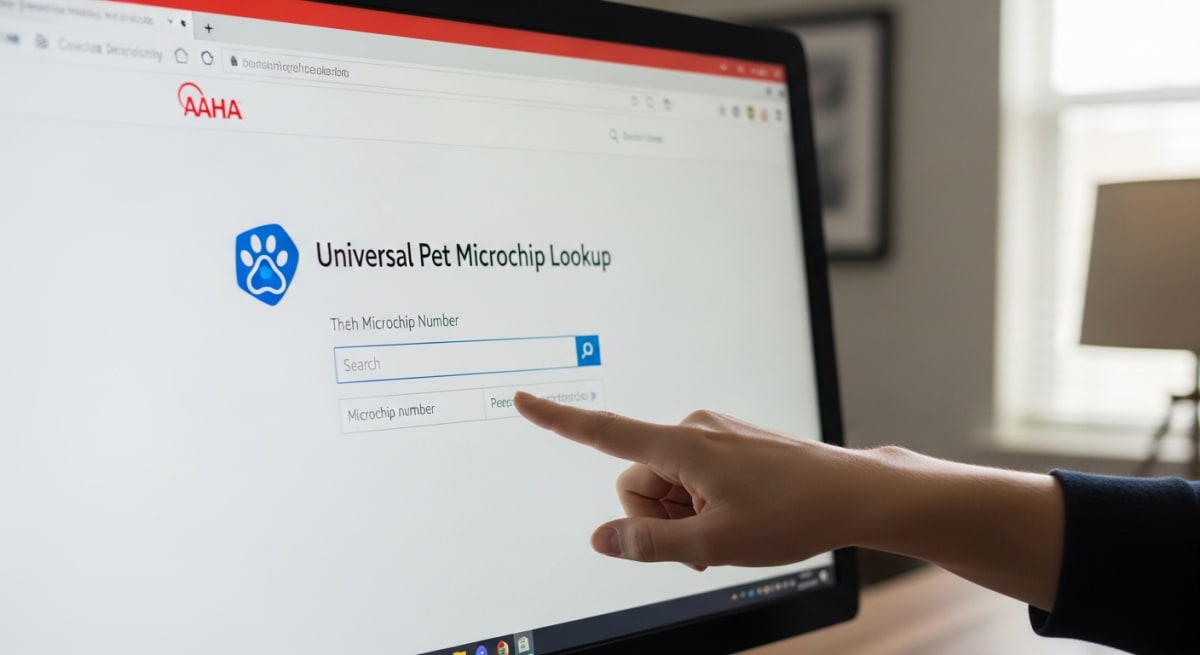
The AAHA Universal Pet Microchip Lookup connects you to registration information across multiple databases using just your pet's microchip number.