Microchip Guides
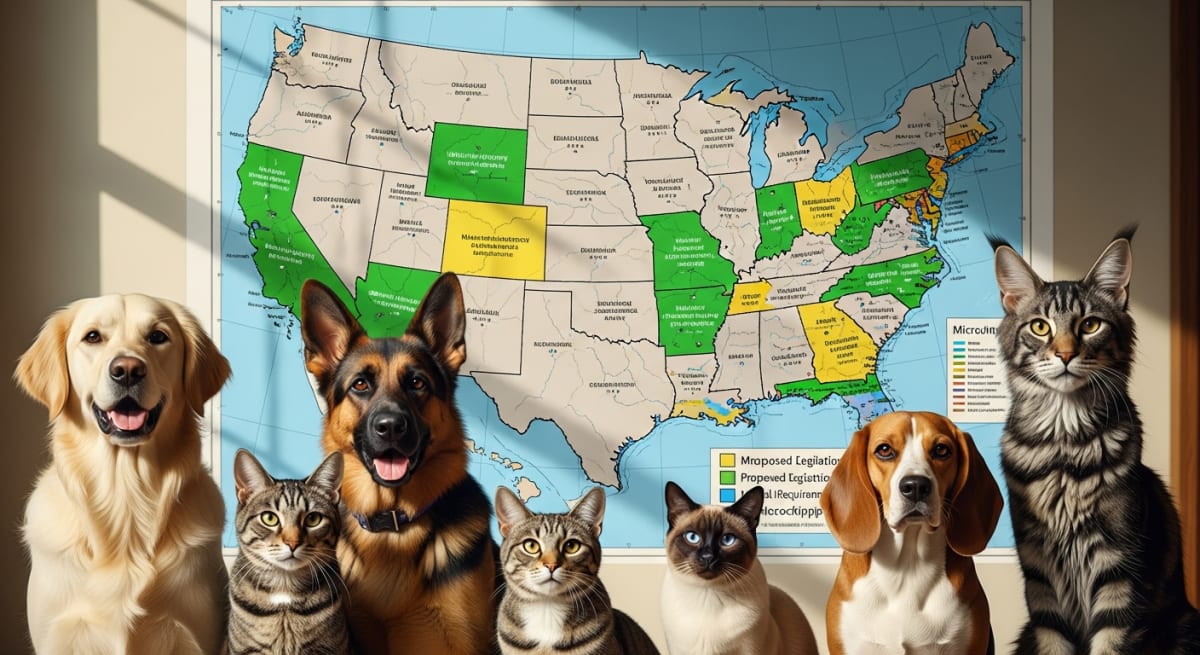
Pet Microchipping Laws by State: Is It Required Where You Live?
Learn which states require pet microchipping, understand the legal requirements, and ensure your pet meets local compliance standards.
24/7 Lost Pet Support: 1-800-938-4909
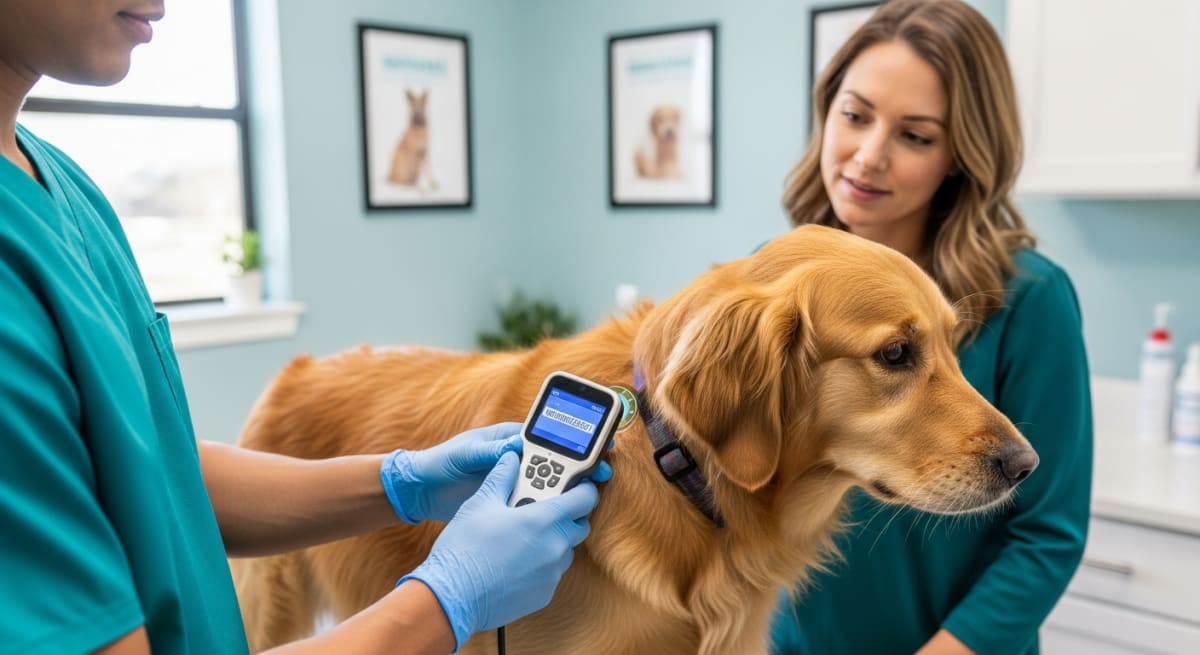
Learn how to properly register your pet's microchip to ensure they can be reunited with you if lost.
March 20, 2026
By Pet Registration and Recovery Team
Pet microchip registration is the critical step that transforms a tiny implanted chip into a lifeline home for your lost pet. While many pet owners believe getting their pet microchipped is enough, the microchip only works if it's properly registered with current contact information in a database that shelters and veterinarians can access.
Think of it this way: a microchip without registration is like having a phone number that's not connected to any phone service. The technology is there, but it can't fulfill its purpose of reuniting you with your beloved companion.
When your veterinarian implants a microchip, they're inserting a device about the size of a grain of rice that contains a unique identification number. However, this number is meaningless unless it's linked to your contact information in a searchable database.
Here's what happens when a lost pet is found:
Unfortunately, studies show that approximately 40% of microchipped pets in shelters cannot be reunited with their owners due to missing or incorrect registration information. This statistic highlights why understanding and completing the registration process is so crucial for pet safety.
Pet microchip registration is not managed by a single universal system. There are many different registries, each operated by different companies and associated with different microchip manufacturers. When your pet gets chipped, the brand of microchip typically determines which registry the chip is initially associated with.
What ties these registries together is the American Animal Hospital Association (AAHA), which maintains a universal pet microchip lookup tool. When a shelter or veterinarian finds a lost pet, they can search the AAHA lookup, which queries across participating registries to locate the owner's contact information. This means that as long as your pet's microchip is registered with an AAHA-partnered registry, a shelter searching through AAHA's tool can find your information regardless of which specific registry you used.
As an AAHA-partnered registry, Pet Registration and Recovery feeds directly into this universal lookup system, so your pet's registration is accessible to shelters and veterinary clinics nationwide when it matters most.
Before you can register your pet's microchip, you need to locate the microchip number. This 9, 10, or 15-digit number is unique to your pet and serves as their permanent identification.
The easiest way to find your pet's microchip number is to check the paperwork from your veterinarian. When the chip was implanted, your vet should have provided you with:
If you can't locate the paperwork, any veterinary clinic or animal shelter can scan your pet to read the microchip number. Most are happy to do this quick scan free of charge, especially when you explain you need the number for registration purposes.
Your veterinarian's records will contain your pet's microchip number. A quick phone call to the clinic where the chip was implanted can provide you with this information.
Once you have your pet's microchip number, follow these steps to complete the registration process:
The most important factor when choosing a registry is making sure it partners with AAHA's universal lookup system. This ensures that any shelter or veterinarian searching for your pet's information can find it through the centralized lookup tool, regardless of which specific registry holds your record.
Before starting the registration process, collect the following information:
Most microchip registries offer online registration, which is typically the fastest method. Navigate to the appropriate website and create an account or log into an existing one.
During registration, you'll enter all your pet's information and your contact details. Take time to double-check everything, especially phone numbers and email addresses, as these are the primary ways shelters will attempt to contact you.
Many registries offer both basic registration and premium services with additional features like:
While basic registration is sufficient for reuniting you with a lost pet, premium services can provide additional peace of mind and support during stressful situations.
After submitting your registration, you should receive a confirmation email. Keep this confirmation for your records, as it proves your pet is properly registered and provides important account information.
Registering your pet's microchip is not a one-time task. Keeping the information current is essential for the system to work effectively.
Update your registration immediately when you move. This is one of the most critical updates, as your address change affects where a found pet might be returned. Log into your registry account and update both your physical address and mailing address if they differ.
Phone numbers are often the first method shelters use to contact pet owners. Update your registration within days of changing your phone number, and consider adding multiple contact numbers for reliability.
When giving a pet to a new owner, the registration must be transferred to ensure the database contains current owner information. This process varies by registry but typically requires:
Both parties should keep records of the transfer for future reference.
Sometimes microchips can migrate slightly under the skin or become difficult to detect. If scanners have trouble reading your pet's chip:
If you discover your pet's microchip is registered with incorrect information, contact the registry immediately. Common issues include:
Most registries have customer service departments that can help correct these issues, though you may need to provide proof of ownership.
Some pet owners register their pet's microchip with more than one registry for added security. While this can increase the chances of a successful reunion, it also means you must keep information current across all platforms. If you go this route, set a reminder to update every registry when your contact details change.
When adopting a pet from a shelter or rescue organization, the animal may already have a microchip. However, the registration might still be linked to the shelter or the previous owner.
Here's what to do:
Many shelters now handle this transfer automatically as part of the adoption process, but it's worth confirming to ensure your new companion is properly protected.
With so many different registries, it might seem overwhelming to figure out how shelters actually find your information. This is where the AAHA Universal Pet Microchip Lookup comes in. AAHA's tool acts as a central search hub that queries across all participating registries at once.
When a shelter or veterinarian finds a microchipped pet, they enter the chip number into the AAHA lookup. The system checks every partnered registry and returns whatever contact information is on file. This is why choosing an AAHA-partnered registry matters so much. It ensures your pet's information is part of that centralized search, giving shelters the fastest path back to you.
Even with proper microchip registration, it's wise to have backup identification for your pet:
These additional measures work alongside microchip registration to maximize the chances of a happy reunion if your pet becomes lost.
Make microchip registration review part of your annual pet care routine, perhaps coinciding with your pet's yearly veterinary checkup. During this review:
This annual check ensures your pet's lifeline home remains strong and current.
If your pet has a microchip but you're unsure about registration status, don't wait another day to verify and update this crucial information. A few minutes of effort now could mean the difference between a lost pet and a joyful reunion.
Whether you need to register a new microchip or update existing information, Pet Registration and Recovery is an AAHA-partnered registry with 24/7 support to help ensure your pet's information is accessible when it matters most. Take the time today to give your pet the protection they deserve through proper microchip registration.
Pet microchip registration links your contact information to your pet's unique microchip number in a searchable database that shelters and veterinarians can access. Without registration, the microchip is useless since there's no way for anyone to contact you if your pet is found.
You register by finding your pet's unique microchip number from your veterinarian's paperwork, then entering your contact details into the microchip manufacturer's database or an AAHA-partnered registry. The registration connects your information to that specific chip number for future lookups.
Shelters and veterinarians can scan and find the microchip number, but they cannot locate your contact information to return your pet. Studies show 40% of microchipped pets in shelters can't be reunited with owners due to missing registration information.
Learn which states require pet microchipping, understand the legal requirements, and ensure your pet meets local compliance standards.
Veterinarians debunk the most common pet microchip myths to help owners make informed decisions about pet safety and recovery.
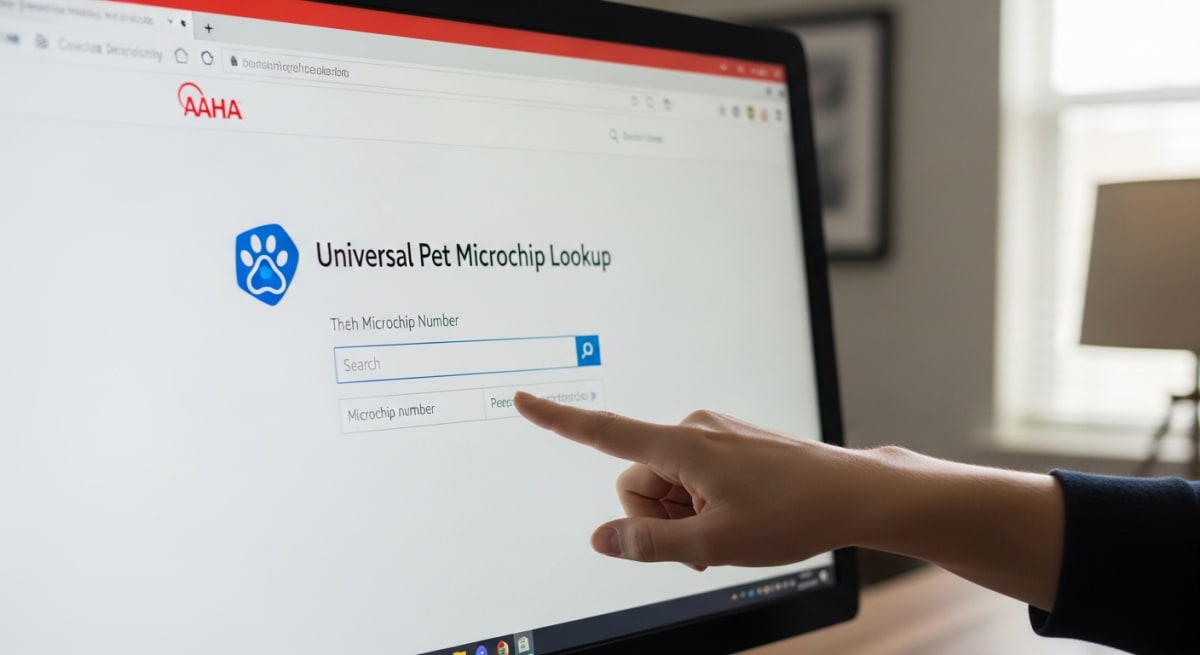
The AAHA Universal Pet Microchip Lookup connects you to registration information across multiple databases using just your pet's microchip number.