
Lost Pet Recovery
Found a Lost Dog or Cat? Your Complete Step-by-Step Guide
Step-by-step guide for Good Samaritans who found a lost pet, covering safety, identification, reporting, and reuniting pets with families.
24/7 Lost Pet Support: 1-800-938-4909
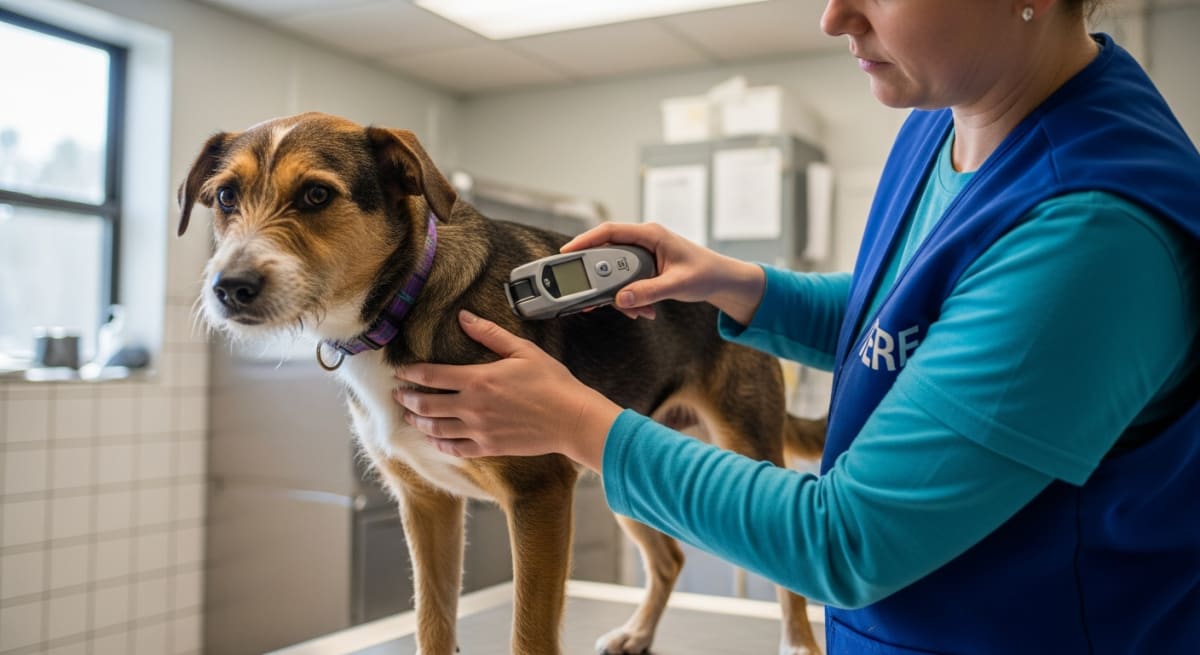
Discover the step-by-step process shelters follow to scan microchips and reunite lost pets with their families.
May 20, 2026
By Pet Registration and Recovery Team
When your pet goes missing, animal shelters become the frontline heroes in reuniting families. Microchip scanning is the first and most reliable tool shelters use to identify lost pets and connect them with their owners. Understanding this process can help you appreciate why keeping your pet's microchip registration current is so crucial for a successful reunion.
The moment a lost pet arrives at a shelter, staff members begin a systematic identification process that prioritizes microchip scanning above all other methods.
Within the first few minutes of intake, shelter workers perform a thorough microchip scan using handheld scanners. They check multiple areas of the pet's body, as microchips can migrate from their original placement site between the shoulder blades.
Modern shelters typically use universal scanners that can detect chips from all major manufacturers. The scanning process takes less than a minute, but it's done methodically to ensure no chip goes undetected. This is why having your pet's microchip properly registered makes all the difference in a successful reunion.
When a microchip is detected, shelter staff search the AAHA Universal Pet Microchip Lookup database to find the owner's contact information. This is where the importance of current registration becomes apparent – outdated phone numbers or addresses create immediate roadblocks in the reunion process.
Shelters typically make multiple contact attempts over several days, trying different numbers and even reaching out to emergency contacts listed in the AAHA registry. As an AAHA-partnered registry, we see how crucial these backup contacts can be when primary numbers are disconnected.
The statistics surrounding microchip reunifications tell a compelling story about their effectiveness compared to traditional identification methods.
According to research from major animal welfare organizations, pets with registered microchips are reunited with their families at rates of 52% for dogs and 38% for cats. These numbers jump significantly – to over 75% for dogs and 60% for cats – when the microchip information is current and complete.
While collar tags seem like obvious identification, they present several challenges in shelter environments. Tags frequently fall off, become illegible due to wear, or contain outdated information. We work with thousands of pet owners every year who assumed their collar tag was sufficient identification, only to learn their pet couldn't be identified when found without it.
Shelter workers report that fewer than 20% of incoming pets arrive with readable collar identification, making microchips the primary reliable identification method.
Despite the effectiveness of microchips, shelters face several recurring challenges that prevent successful reunifications.
The most frustrating scenario for shelter staff occurs when they find a microchip but discover it was never registered. The chip shows a manufacturer number, but no owner contact information exists in any database. This situation affects approximately 40% of microchipped pets that enter shelters.
Even registered microchips can hit dead ends when contact information is outdated. Common issues include:
Shelter workers often spend hours trying to track down owners through outdated information, calling numbers repeatedly and even attempting to contact previous addresses.
Understanding shelter timelines can help set realistic expectations for pet owners whose animals have gone missing.
Most shelters scan for microchips and begin contact attempts within hours of a pet's arrival. If your contact information is current, you could receive a call the same day your pet arrives at the facility.
During this initial period, shelter staff also photograph the pet and post information to their lost and found databases, both online and through community networks.
When initial contact attempts fail, shelters expand their search efforts. This includes contacting emergency contacts, reaching out to veterinarians if clinic information is available, and sometimes even checking social media for pet owner posts about missing animals.
Most shelters are required to hold pets for a minimum period – typically 3-5 days for strays – before making them available for adoption. However, this hold period is often extended when a microchip is present, as shelters recognize the increased likelihood of owner contact.
Unfortunately, not every microchipped pet can be successfully reunited with their family. Understanding these scenarios emphasizes why proper registration matters.
Pets with unregistered microchips are typically treated the same as pets without any identification. After the required hold period, they become available for adoption through the shelter's standard placement programs.
Some shelters maintain special databases of unregistered chip numbers, hoping owners will eventually come forward, but these reunifications become increasingly unlikely as time passes.
When shelters exhaust all contact methods for registered microchips without receiving owner response, they may classify pets as abandoned. This designation allows them to proceed with rehoming efforts while maintaining records in case owners eventually come forward.
Pet owners play the crucial role in ensuring the shelter microchip system works effectively for their animals.
The single most important step is maintaining current contact information in your pet's microchip registry. This means updating your registration whenever you:
Providing multiple ways for shelters to reach you increases reunion success rates dramatically. Include your cell phone, work number, email address, and at least one emergency contact who can reach you if needed.
If your pet goes missing, contact local shelters directly rather than waiting for them to call you. Even with current registration, communication delays can occur, and your proactive outreach speeds up the reunion process.
Understanding how shelters use microchips to reunite pets can inspire community support for these vital services.
Many shelters operate on limited budgets while handling hundreds of lost pets monthly. Supporting their microchip scanning programs through donations or volunteer work helps ensure they have the resources needed for successful reunifications.
Consider advocating for universal scanner availability in your community, as older or less well-funded shelters may have equipment that can't read all microchip frequencies.
Ready to ensure your pet can be successfully reunited if they ever become lost? Register your pet's microchip or update your existing registration to give shelters the best chance of bringing your family back together quickly.
Shelters perform a thorough microchip scan within the first few minutes of a pet's arrival, checking multiple areas of the body since chips can migrate. This scanning process takes less than a minute but is done methodically using universal scanners that detect all major chip manufacturers.
Shelter staff immediately search multiple registry databases to find owner contact information, then make multiple contact attempts over several days. They try different phone numbers and reach out to emergency contacts listed in the registration when primary numbers don't work.
Keeping your microchip registration current is crucial for successful reunions since outdated contact information creates immediate roadblocks. Pets with current, complete microchip information are reunited at rates over 75% for dogs and 60% for cats.
Microchips are significantly more effective than collar tags, with registered chips reuniting 52% of dogs and 38% of cats with families. Fewer than 20% of pets arrive at shelters with readable collar identification due to tags falling off or becoming illegible.
Shelters typically make multiple contact attempts over several days, trying different phone numbers and emergency contacts listed in the registration. The exact timeframe varies by shelter, but most continue efforts as long as they have viable contact options to try.
Step-by-step guide for Good Samaritans who found a lost pet, covering safety, identification, reporting, and reuniting pets with families.
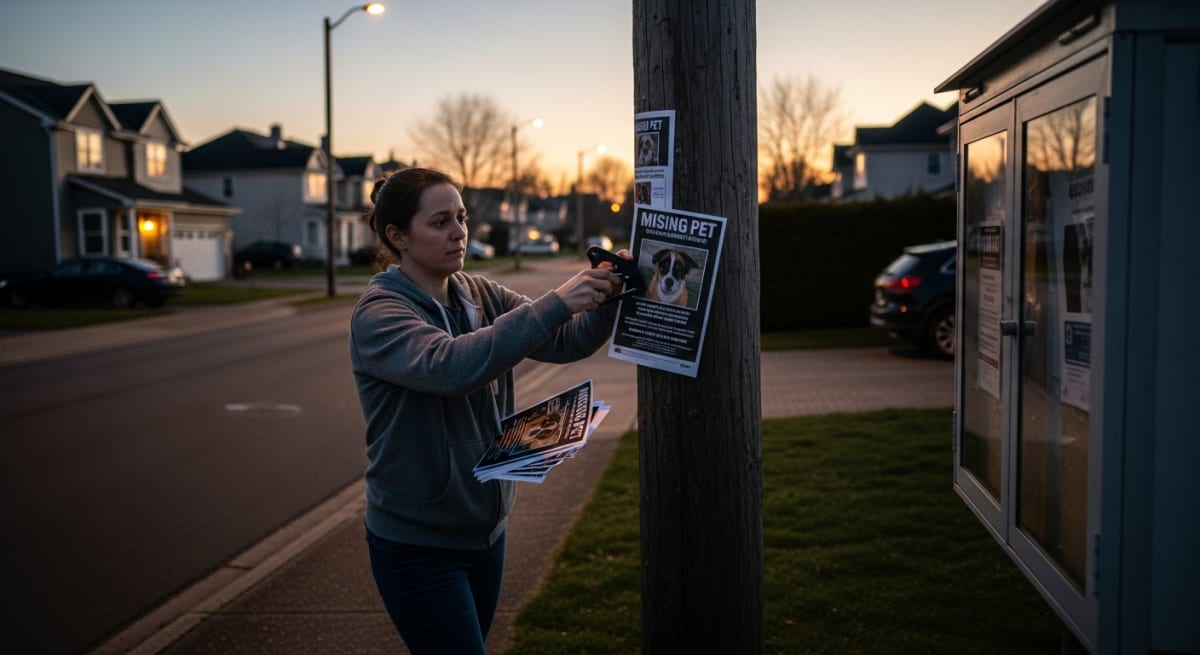
Follow this comprehensive emergency action plan to maximize your chances of bringing your lost pet home safely.