
Microchip Guides
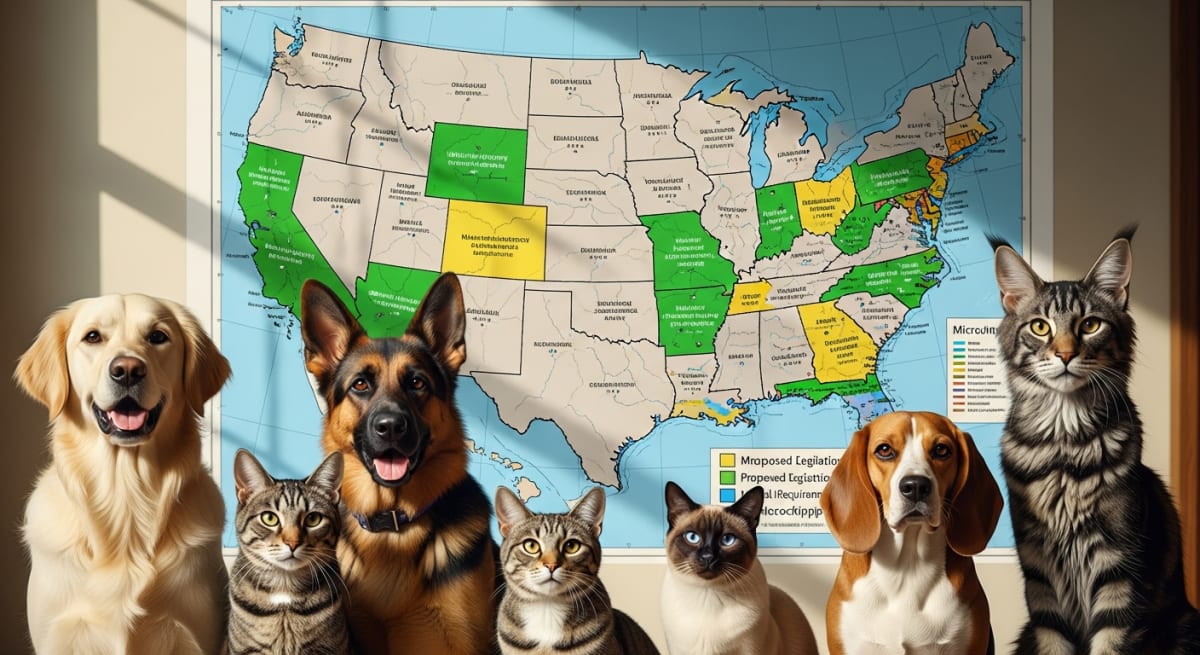
Pet Microchipping Laws by State: Is It Required Where You Live?
Learn which states require pet microchipping, understand the legal requirements, and ensure your pet meets local compliance standards.
24/7 Lost Pet Support: 1-800-938-4909
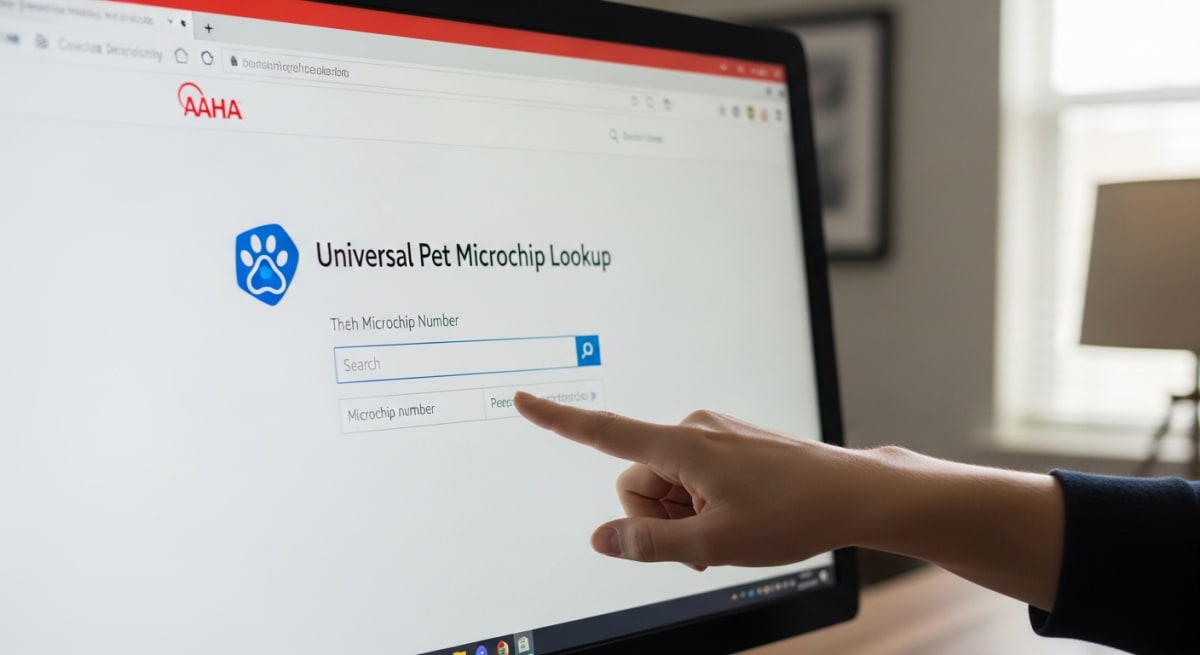
The AAHA Universal Pet Microchip Lookup connects you to registration information across multiple databases using just your pet's microchip number.
May 5, 2026
By Pet Registration and Recovery Team
The AAHA Universal Pet Microchip Lookup is a free tool that searches multiple microchip databases simultaneously to help locate your pet's registration information. When you enter a 9 to 15-digit microchip number, this system connects you directly to the registry where your pet's contact details are stored, making it an essential resource for pet recovery and registration management.
The American Animal Hospital Association (AAHA) created this lookup tool to solve a major problem in pet recovery: microchips from different manufacturers were registered in separate databases that didn't communicate with each other. Before this universal system, finding a lost pet meant checking multiple registries individually.
The AAHA lookup works by reading the first few digits of your pet's microchip number, which identify the manufacturer, then directing you to the appropriate registration database. This streamlined approach has helped reunite thousands of pets with their families by eliminating the guesswork from the search process.
As an AAHA-partnered registry, we see firsthand how this tool bridges the gap between different microchip systems. Pet owners regularly use it to verify their registration status or locate their pet's information when switching veterinarians or moving to new cities.
Using the AAHA lookup tool is straightforward, but knowing what to expect helps ensure success. Here's exactly how to navigate the process:
Before using the lookup, you'll need your pet's complete 9 to 15-digit microchip number. This information is typically found on:
If you can't locate the number in paperwork, your veterinarian can scan your pet to retrieve it. Most vet offices will do this quickly during regular business hours, and many don't charge for this simple service. Additionally, many pet stores have microchip scanners available for public use, making it convenient to get your pet scanned when you're out running errands.
Navigate to the AAHA Universal Pet Microchip Lookup website and enter your pet's complete 9 to 15-digit number in the search field. Double-check each digit before submitting – even one incorrect number will prevent the system from finding your pet's information.
The lookup system will immediately identify which registry database contains your pet's information and provide a direct link to that registry's website. This typically happens within seconds of entering the microchip number.
Once directed to the appropriate registry, you'll need to create an account or log in if you already have one. The registry will then display your pet's current registration information, including:
It's important to understand that the AAHA lookup is a directory service, not a database itself. The tool identifies where your pet's information is stored but doesn't display the actual contact details or registration status.
The AAHA system confirms:
The lookup tool cannot display:
This privacy protection is intentional – your personal information remains secure within the individual registry system until you provide proper authentication.
We work with thousands of pet owners every year who encounter challenges with microchip lookups. Understanding common issues helps you troubleshoot problems quickly and effectively.
The most frequent issue is an unregistered microchip. Many pet owners assume that microchip implantation automatically includes registration, but these are separate processes. Your veterinarian or shelter implants the physical chip, but you must complete registration separately with a database service.
If the AAHA lookup returns no results, your pet's microchip may have been implanted but never registered. This situation is surprisingly common, especially with pets adopted from shelters where the registration process wasn't clearly explained. If you discover your pet's chip isn't registered, you can quickly resolve this by registering with Pet Registration and Recovery, which accepts microchips from all manufacturers and connects with the AAHA lookup system.
Sometimes the lookup works perfectly, directing you to the correct registry, but your account information is severely outdated. We frequently see registrations with old addresses, disconnected phone numbers, or contact information from previous owners.
This scenario often occurs when:
Occasionally, microchips can malfunction or migrate from their original implantation site. If your veterinarian can't locate or read your pet's microchip during scanning, the AAHA lookup won't help because you can't retrieve the number.
Microchip migration happens in less than 1% of cases, but when it occurs, the chip may move away from the standard scanning area between the shoulder blades. A thorough scan of your pet's entire body may be necessary to locate a migrated chip.
When the AAHA lookup fails to return results or leads to outdated information, several alternative approaches can help resolve the situation.
If you need to find your pet's microchip number or verify it's working properly, you have several convenient options. Your veterinarian can scan your pet during regular business hours, and many pet stores also have microchip scanners available for public use. This makes it easy to get your pet scanned while you're out shopping for pet supplies.
When having your pet scanned, make sure to get the complete number written down accurately, as even one incorrect digit will prevent successful lookup results.
Your veterinarian can be an invaluable resource when microchip lookup issues arise. Many veterinary practices maintain relationships with multiple registry services and can help facilitate registration or updates.
If your pet was microchipped at your current veterinary practice, they may have records of which registry service they typically use. Some practices even handle initial registration as part of their microchipping service, though this varies by location and practice policies.
When existing registration attempts fail or return no results, registering with a comprehensive database service can provide the coverage you need. Pet Registration and Recovery accepts microchips from all manufacturers and maintains connections with the AAHA lookup system.
Universal registries offer several advantages:
Once you've successfully located your pet's registry through the AAHA lookup, keeping that information current is crucial for effective pet recovery. Outdated registration information is nearly as problematic as having no registration at all.
Your registry account should always reflect your current:
We recommend reviewing and updating this information at least twice per year, such as during spring and fall when you might naturally think about other household updates.
Certain life changes should immediately trigger a registration update:
Many pet recovery failures happen not because pets lack microchips, but because their registration information is years out of date. A lost pet found with a microchip registered to a previous address and disconnected phone number faces the same outcome as an unregistered pet.
If you've found a pet and discovered a microchip number through veterinary scanning or by using a scanner at a pet store, the AAHA lookup becomes a crucial tool for reunion efforts. However, the process works slightly differently when you're not the registered owner.
Registry services protect pet owner privacy by not displaying contact information to unauthorized users. When you use the AAHA lookup for a found pet, you'll be directed to the appropriate registry but won't see the owner's personal details.
Instead, most registries offer:
This system allows pet reunification while maintaining privacy for all parties involved.
If the AAHA lookup returns no results for a found pet's microchip, contact your local animal control office or police department. They may have access to additional databases or resources not available to the general public.
Additionally, post about the found pet on local social media groups, community boards, and lost pet websites. Many successful reunions happen through community networking even when microchip lookups don't immediately provide results.
Understanding how the AAHA lookup works is just the first step in comprehensive pet protection. The most effective approach combines proper registration with proactive management and backup identification methods.
While basic microchip registration provides essential identification, consider additional features that enhance pet recovery:
These enhanced features can significantly improve the chances of a successful reunion while providing peace of mind for pet owners.
Microchips work best when combined with visible identification like collar tags. While microchips provide permanent identification that can't be lost or removed, collar tags offer immediate contact information that doesn't require special equipment to read.
Many successful pet recoveries happen through collar tags because they provide instant access to owner contact information. Use both methods together for comprehensive pet protection.
The AAHA Universal Pet Microchip Lookup is a powerful tool, but it's only effective when your pet's registration information is current and complete. Use this guide to verify your pet's registration status and ensure all contact information reflects your current details.
If you discover that your pet's microchip isn't registered or the information is outdated, register with Pet Registration and Recovery today. Our comprehensive database connects with the AAHA lookup system and provides 24/7 recovery support to help bring lost pets home safely.
The AAHA Universal Pet Microchip Lookup is a free tool that searches multiple microchip databases simultaneously to help locate your pet's registration information. It connects you directly to the registry where your pet's contact details are stored by reading the first few digits of the microchip number.
Enter your pet's complete 9 ti 15-digit microchip number on the AAHA lookup website, and the system will direct you to the appropriate registry database. You'll need to find your microchip number from veterinary records, registration paperwork, or have your vet scan your pet.
The AAHA Universal Pet Microchip Lookup tool is completely free to use. The system was created by the American Animal Hospital Association to help pet owners easily locate their registration information across different microchip databases.
Your pet's microchip number is typically found on registration certificates, veterinary records from the implantation visit, or adoption paperwork. If you can't locate it in documents, your veterinarian can scan your pet to retrieve the number quickly.
The AAHA created this tool to solve the problem of microchips from different manufacturers being registered in separate databases that didn't communicate. Before this system, finding a lost pet meant checking multiple registries individually, which was time-consuming and inefficient.
Learn which states require pet microchipping, understand the legal requirements, and ensure your pet meets local compliance standards.

Veterinarians debunk the most common pet microchip myths to help owners make informed decisions about pet safety and recovery.
Discover why your pet's microchip isn't registered and get step-by-step solutions to fix registration problems fast.