

Microchip Guides
10 Pet Microchip Myths Debunked by Veterinarians
Veterinarians debunk the most common pet microchip myths to help owners make informed decisions about pet safety and recovery.
24/7 Lost Pet Support: 1-800-938-4909
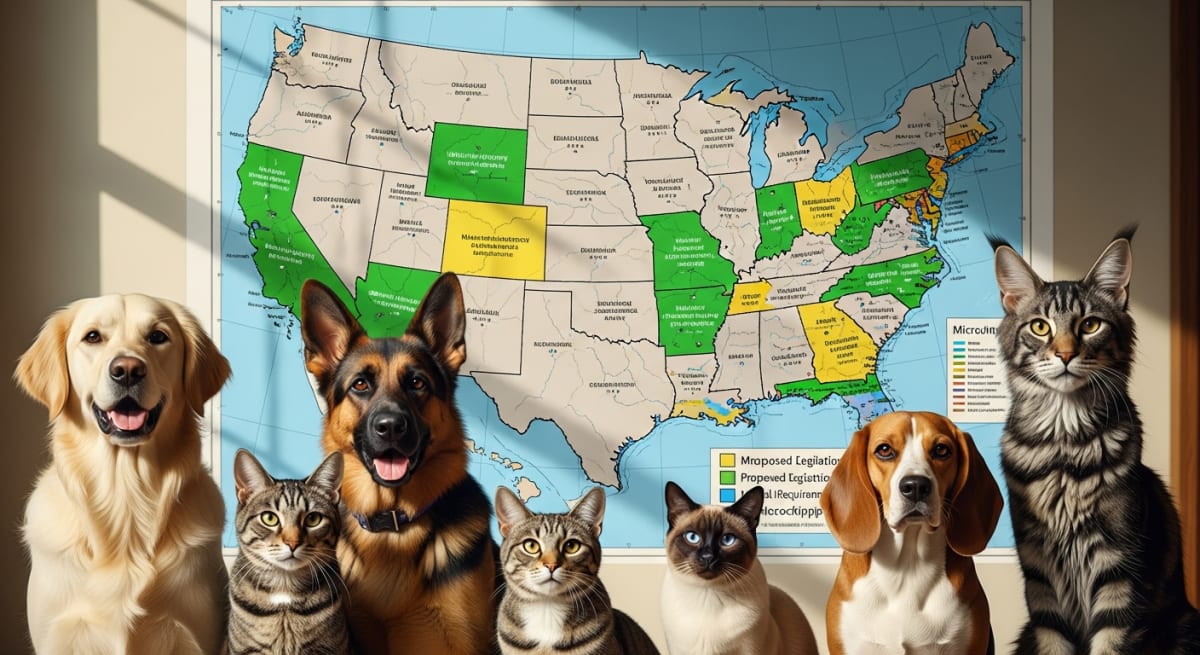
Learn which states require pet microchipping, understand the legal requirements, and ensure your pet meets local compliance standards.
May 11, 2026
By Pet Registration and Recovery Team
Pet microchipping laws vary significantly across the United States, with some states mandating microchips for certain situations while others rely on voluntary compliance. Understanding your state's specific requirements can help you avoid penalties and ensure your pet meets all legal obligations.
Before diving into state-specific laws, it's important to distinguish between microchipping requirements and registration requirements. Some states may require the physical microchip implantation, while others focus on registration with local authorities or databases. Many jurisdictions that require microchipping also legally require registration of that microchip with current contact information.
Microchipping involves implanting a small RFID chip under your pet's skin, typically between the shoulder blades. Registration involves recording your contact information in a database that can be accessed when your pet is found. These are separate processes with different legal implications.
Many pet owners believe microchipping is federally mandated, but this isn't true. Pet microchipping laws are determined at the state and local levels, creating a patchwork of different requirements across the country.
Another common misconception is that having a microchip automatically registers your pet. The chip itself is just a number – you must actively register that number with your contact information in a database.
Currently, no U.S. state has universal mandatory microchipping for all pets. However, several states have specific requirements for certain situations or types of animals.
California leads the nation in pet microchipping requirements. The state requires all dogs and cats adopted from shelters to be microchipped before leaving the facility. California law also requires that the microchip be registered with the adopter's contact information before the adoption is complete. Additionally, many California municipalities have their own microchipping ordinances.
Los Angeles County, for example, requires microchipping for all dogs over four months old, with registration being part of the licensing requirement. San Francisco has similar requirements for both dogs and cats.
New York requires all dogs sold by pet dealers to be microchipped. The state also mandates microchipping for dogs imported for resale. In both cases, the law requires registration of the microchip with the new owner's information. However, there's no statewide requirement for privately owned pets.
New York City has additional local requirements, including mandatory microchipping and registration for all dogs licensed in the city.
Nevada requires microchipping for all dogs and cats adopted from shelters. The state also requires pet stores to microchip animals before sale, with the cost included in the purchase price. Nevada law mandates that the microchip must be registered with the adopter's or buyer's contact information as part of the adoption or sale process.
Washington: No statewide microchipping requirement, but many counties and cities have local ordinances.
Oregon: No statewide requirement. Portland requires microchipping and registration for dog licenses.
Idaho: No statewide microchipping laws.
Montana: No statewide requirements.
Wyoming: No statewide microchipping laws.
Colorado: No statewide requirement, but Denver requires microchipping and registration for pit bull-type dogs.
Utah: No statewide microchipping requirements.
Arizona: No statewide laws, but Maricopa County has specific requirements for certain breeds that include registration.
New Mexico: No statewide microchipping requirements.
Texas: No statewide requirement, but Austin requires microchipping and registration for dog registration.
Louisiana: No statewide microchipping laws.
Arkansas: No statewide requirements.
Mississippi: No statewide microchipping laws.
Alabama: No statewide requirements.
Tennessee: No statewide microchipping laws.
Kentucky: No statewide requirements.
Georgia: No statewide microchipping laws.
Florida: No statewide requirement, but Miami-Dade County requires microchipping and registration for dog licenses.
South Carolina: No statewide microchipping requirements.
North Carolina: No statewide laws.
Maine: No statewide microchipping requirements.
New Hampshire: No statewide laws.
Vermont: No statewide microchipping requirements.
Massachusetts: No statewide requirement, but Boston encourages microchipping through reduced licensing fees.
Rhode Island: No statewide microchipping laws.
Connecticut: No statewide requirements.
New Jersey: No statewide microchipping laws, but many municipalities have local requirements that include registration.
Pennsylvania: No statewide requirement, but Philadelphia requires microchipping and registration for dog licenses.
Ohio: No statewide microchipping requirements.
Michigan: No statewide laws.
Indiana: No statewide microchipping requirements.
Illinois: Chicago requires microchipping and registration for dog registration, but no statewide law.
Wisconsin: No statewide microchipping requirements.
Minnesota: No statewide laws.
Iowa: No statewide microchipping requirements.
Missouri: No statewide laws.
North Dakota: No statewide microchipping requirements.
South Dakota: No statewide laws.
Nebraska: No statewide microchipping requirements.
Kansas: No statewide laws.
While state laws may be limited, many cities and counties have implemented their own microchipping requirements. These local ordinances often apply to:
Most local ordinances that require microchipping also require registration with current owner contact information as part of the compliance requirement. Always check with your local animal control office or city clerk to understand specific requirements in your area. What applies in one city may not apply in neighboring communities.
Many states that don't require microchipping for private pet ownership do have specific requirements for animal shelters and rescue organizations.
States commonly requiring microchipping and registration before shelter adoption include:
As an AAHA-partnered registry, we work with shelters across the country and see these requirements regularly implemented to ensure adopted pets have the best chance of being reunited with their families if lost. Visit our registration portal to help shelters and pet owners maintain compliance with these important requirements.
Several states require pet stores to microchip animals before sale and register them with the buyer's information:
These laws typically require the seller to provide microchip information to the buyer and ensure proper registration with the new owner's contact details.
Penalties for failing to comply with microchipping laws vary by jurisdiction but may include:
In jurisdictions where registration is required along with microchipping, failing to register or maintain current information can result in the same penalties as not having a microchip at all. In areas with mandatory microchipping, animal control officers may check for chips during routine inspections or when responding to complaints.
Contact your local animal control office, city clerk, or veterinarian to understand specific requirements in your area. Laws can change, and local ordinances may be more restrictive than state laws. Ask specifically whether registration is required in addition to the physical microchip.
If microchipping is required or recommended in your area, schedule an appointment with your veterinarian. The procedure is quick, relatively inexpensive, and can be done during a regular check-up.
Simply having a microchip implanted isn't enough – you must register it with accurate contact information. In areas where microchipping is legally required, registration is typically also legally required. This step is crucial for the microchip to be effective in reuniting you with your lost pet.
Update your registration information whenever you move, change phone numbers, or transfer pet ownership. We work with thousands of pet owners every year who need to update their information to maintain compliance and ensure their pets can be safely returned home.
When relocating, research the microchipping requirements in your new state and municipality. Some areas may require:
If you're moving from a state without requirements to one with mandatory microchipping, you'll need to comply with the new location's laws within the specified timeframe, typically 30-60 days after establishing residency. This usually includes both getting the microchip and registering it with your current information.
Several trends suggest microchipping requirements may become more common:
Pet owners should stay informed about changing laws and consider proactive microchipping even where not legally required.
Whether your state requires microchipping or not, taking proactive steps to properly identify and register your pet provides the best protection. Understanding your local laws and maintaining current registration information gives you peace of mind and helps ensure your pet can always find their way home.
Ready to register your pet's microchip or update existing information? Visit Pet Registration and Recovery to ensure your pet meets all local requirements and has the best chance of being safely returned if lost.
Pet microchipping involves implanting a small RFID chip under your pet's skin that contains identification information. No U.S. state currently has universal mandatory microchipping for all pets, but some states require it for shelter adoptions or pet store sales.
Check both your state and local municipality requirements since microchipping laws vary significantly by location. States like California, New York, and Nevada have specific requirements for shelter adoptions and pet sales, while many cities have additional local ordinances.
The microchip itself is just a number and must be actively registered with your contact information in a database to be effective. Having a microchip implanted does not automatically register your pet - these are separate processes with different legal implications.
California has the most comprehensive microchipping requirements, mandating chips for all shelter adoptions and many municipal ordinances. New York requires microchipping for pet dealer sales and imports, while Nevada requires it for shelter adoptions and pet store sales.
Non-compliance with mandatory microchipping laws can result in penalties and fines that vary by jurisdiction. Understanding your specific state and local requirements helps you avoid these penalties and ensures your pet meets all legal obligations.
Veterinarians debunk the most common pet microchip myths to help owners make informed decisions about pet safety and recovery.
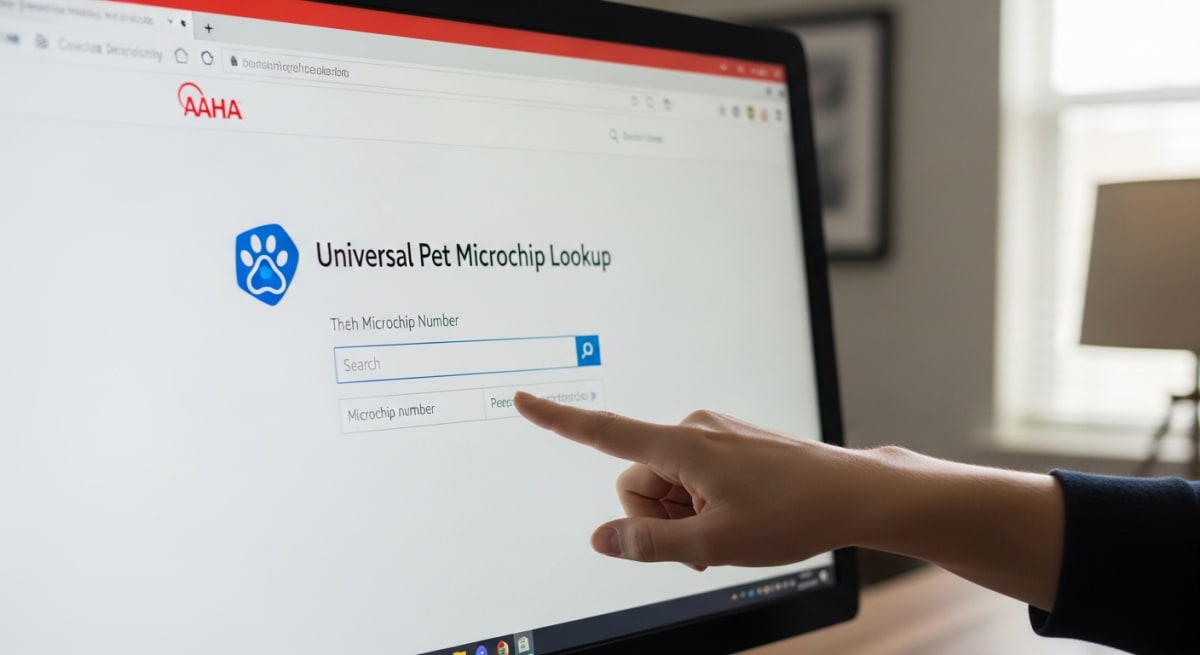
The AAHA Universal Pet Microchip Lookup connects you to registration information across multiple databases using just your pet's microchip number.
Discover why your pet's microchip isn't registered and get step-by-step solutions to fix registration problems fast.